Economic Working Group discusses protecting Libya’s resources
LIBYA – The Special Representative of the UN Secretary-General, Hanna Tetteh, has warned of mounting economic and financial pressures on Libya despite energy price levels in 2026, pointing to rising public spending and a decline in the value of the dinar and in purchasing power.
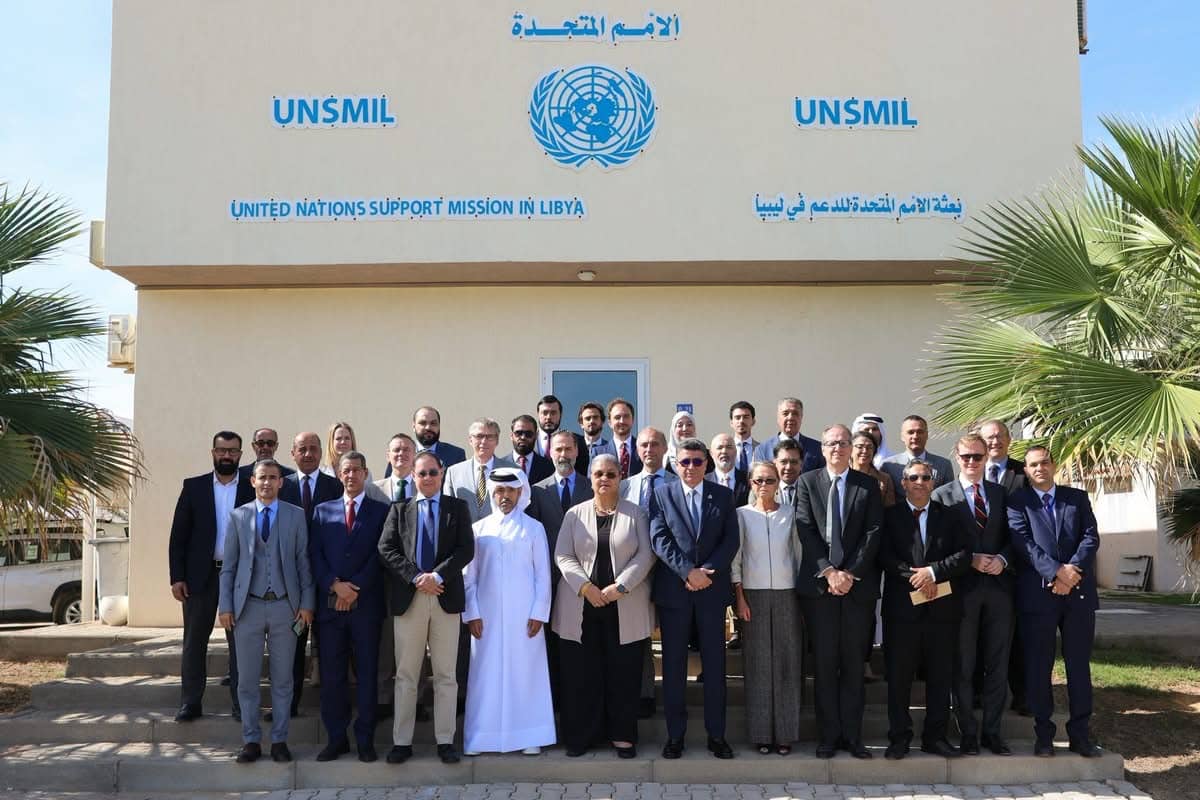
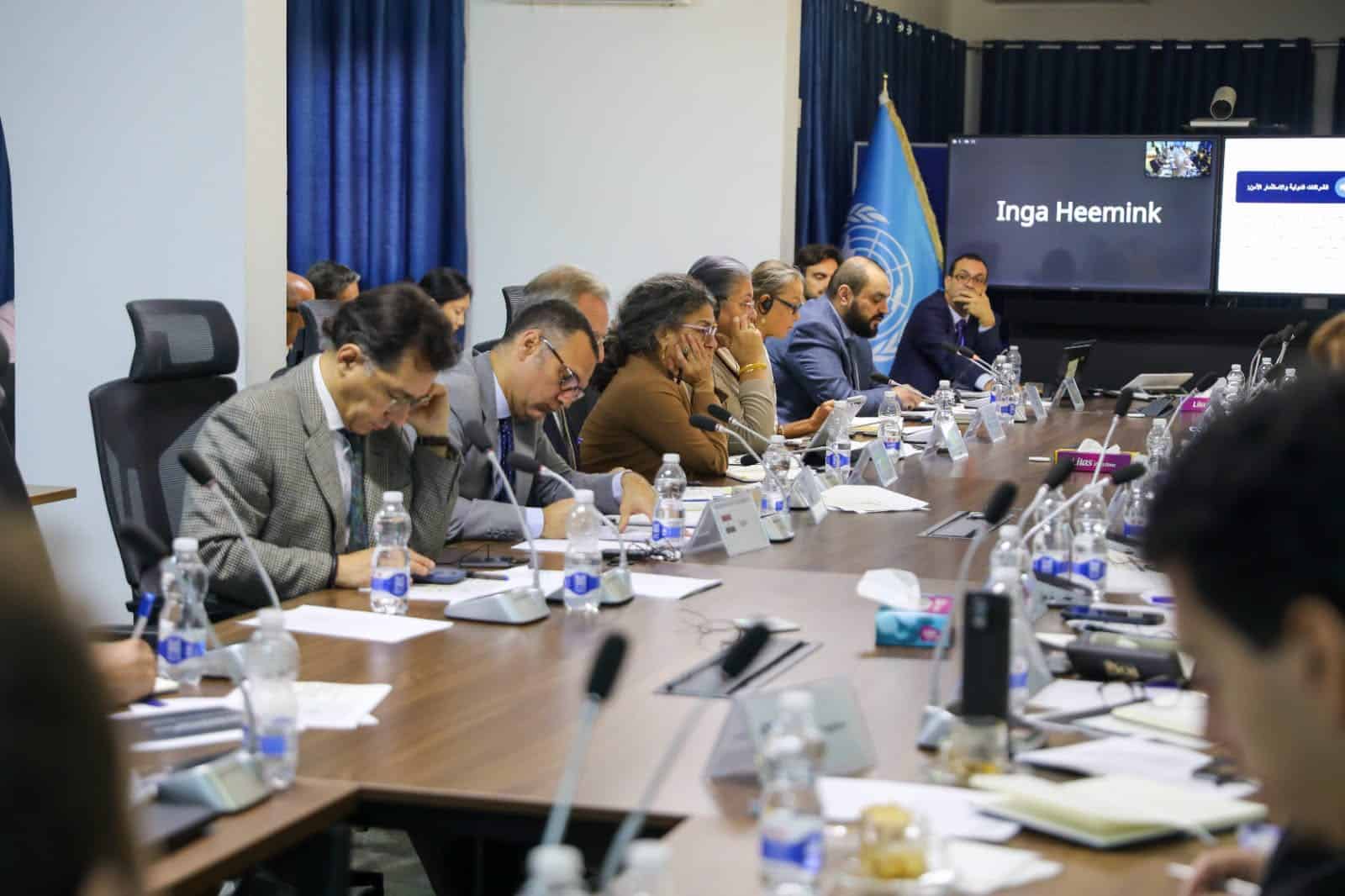
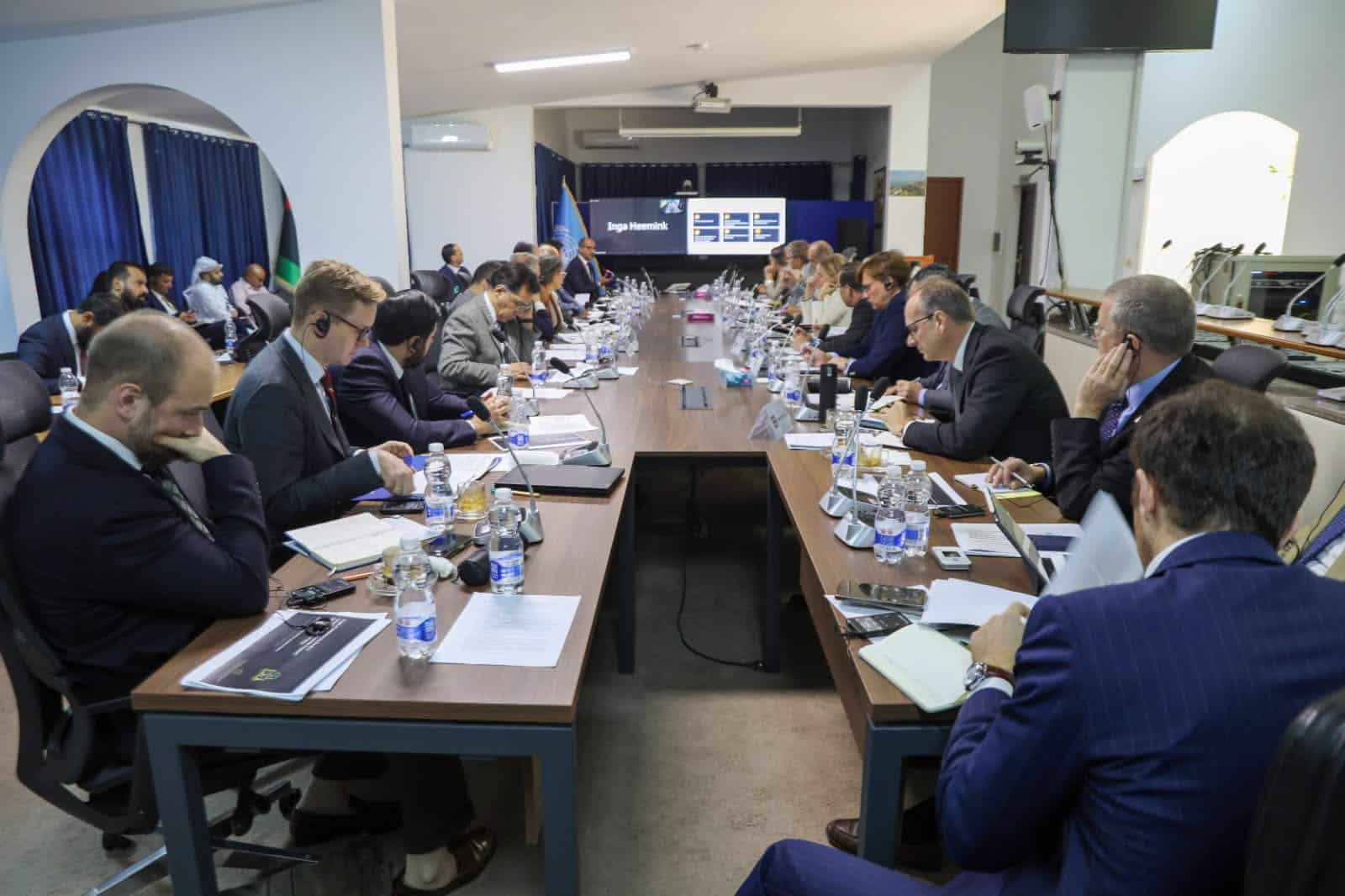
She was speaking at the opening of an expanded meeting of the Berlin Process Economic Working Group, held at the UN mission’s headquarters in Tripoli.
Warnings over smuggling, money laundering and political interference
Tetteh said weak economic governance and political interference in sovereign economic and oversight institutions, along with illicit activities including fuel smuggling and money laundering, were, in her assessment, helping to divert billions of dollars away from the interests of Libyans and undermining financial stability.
She stressed that economic reform was bound up with the wider political process, calling for coordinated and specific measures to improve institutional accountability, protect resources and ensure that citizens benefit from the national wealth.
Co-chairs and participating countries and organisations
The meeting was co-chaired by Egypt, the United States, the European Union and the UN mission, and attended by representatives of the Audit Bureau and the National Oil Corporation.
Representatives of Algeria, France, Germany, Italy, Morocco, the Netherlands, Qatar, Russia, Spain, Turkey, Tunisia, the United Arab Emirates and the United Kingdom also took part in person and remotely, along with the Arab League and the African Union, as well as Libyan institutions and international and regional organisations.
Transparency and safeguarding sovereign institutions
The meeting discussed measures to strengthen the transparency and oversight of public resources, protect key sovereign institutions, and tackle smuggling, illicit financial flows and money laundering.
Oil and banking reforms and international support
Participants heard presentations from Libyan institutions on the reforms under way in the oil and banking sectors, the challenges facing their implementation, and the areas where coordinated international support could help.
The meeting affirmed the urgent need to speed up reforms and deepen partnership with national institutions, and discussed priorities for the next steps international partners could take to support financial stability, institutional coordination, transparency and economic accountability, with the aim of directing the national wealth to the benefit of all Libyans.