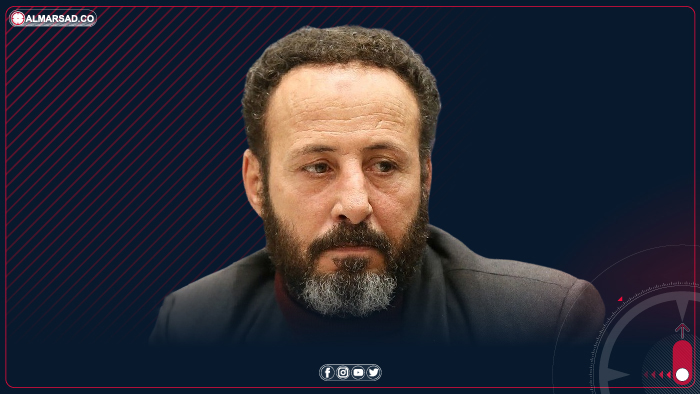
Al-Marash expects greater pressure to unify authority
LIBYA – Political analyst Kamel Al-Marash has said Libya is close to reaching a basis for domestic consensus that would pave the way for presidential and parliamentary elections, amid what he described as growing regional and international momentum in support of unifying the executive authority.
In remarks to Libya Al-Hadath TV — followed and summarised by Al-Marsad — Al-Marash said the time remaining in 2026 is short, arguing that the initiative on the table has become a clear roadmap after receiving, as he put it, regional and international support and being adopted by the UN Security Council, making it necessary to speed up steps to make up for lost time.
Guarantees for hesitant parties and unifying the government
He said regional and international parties had, in his assessment, provided the necessary guarantees to forces that remain hesitant, adding that the positions of these parties will become clear with regard to forming a national unity government or an executive authority to run the whole country.
He stressed that settling this issue is a fundamental cornerstone for the steps that follow to end the political crisis.
Threats of sanctions, frozen accounts and travel bans
Al-Marash added that the international and regional momentum is not limited to supporting the initiative but includes pressure on those he described as obstructing the roadmap, with hints of sanctions that could affect their financial accounts and freedom to travel if they continue to obstruct it.
He said these measures could, perhaps for the first time, serve as deterrents capable of pushing the obstructers to change their positions, as he put it.
Electoral commission, legislation and elections before the end of the year
Al-Marash said important steps had already been achieved on the High National Elections Commission and on legislation relating to presidential and parliamentary elections — issues he said had remained unresolved for years.
He said the hardest challenge lies in unifying the executive authority and forming a new Presidential Council and a new government, calling for this to be accomplished before the end of this year.
He linked this call to the pressures and expectations of regional and international powers and to the Libyan people’s demands for an end to the deteriorating economic and social conditions, criticising what he described as the squandering of billions by the government of Abdulhamid Dbeibah without tangible results.