No to arms and tutelage over Parliament’s work
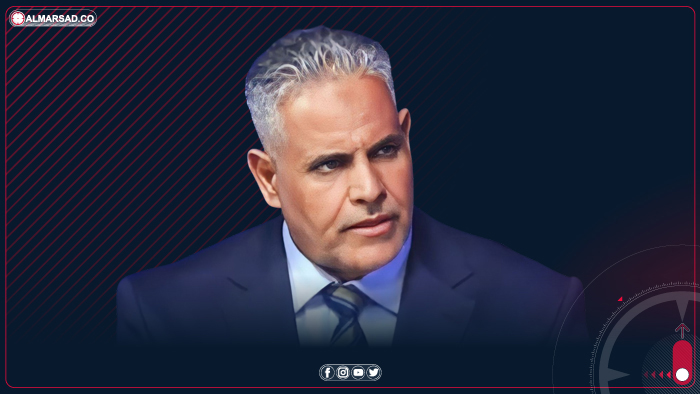
LIBYA – The Speaker of the House of Representatives, Salehin Abdulnabi, has stressed that the measures that prevented the House from holding its session in the city of Zintan would not deter MPs from carrying out their constitutional responsibilities or from engaging with citizens in Libya’s various cities, calling for the circumstances of the incident to be uncovered and for responsibilities to be assigned in accordance with the law, away from smearing and escalation, and rejecting the use of arms as a means of influencing the work of institutions.
The remarks came in an address given by Abdulnabi at the opening of the House of Representatives session on Wednesday, 18 November 2026, in which he spoke to members of the House and to the Libyan people across the country, paying special tribute to the people of Zuwara and Zintan and to the regions of the east, the south and the west, expressing regret at what had happened and affirming his confidence in Libyans’ ability to overcome hardships.
He said the House’s session had been scheduled to be held in Zintan, but that measures had been taken that prevented it from being held and, in his words, barred members from exercising their constitutional right to meet, arguing that the harm was not confined to the failure to hold the session, but extended to regrettable implications at a time when Libya needed to consolidate the prestige of the state, respect for institutions and the primacy of the law, and to move beyond a culture of prohibition, exclusion and the imposition of a fait accompli.
Parliament’s powers and the right to hold sessions
Abdulnabi said the House of Representatives was, in his description, the sole legislative authority in Libya and one of its constitutional institutions, with the inherent power to legislate, oversee and exercise the responsibilities conferred on it by the Constitutional Declaration and the legislation in force. He stressed that respect for the House and enabling its members to perform their duties was not a privilege granted by another party, but respect for the state, for the public will that MPs represent, and for the principle of the separation of powers.
He expressed surprise that a meeting of a legislative institution in a Libyan city should become a matter of dispute, prohibition or disruption, arguing that this treated Parliament as if it were an institution alien to the structure of the state. He said the move to Zuwara and Zintan had not been intended as hostility, an imposition of will, or a provocation of any party, but proceeded from regarding them as two dear Libyan cities, and that the homeland was not confined to Tripoli, Benghazi, Sebha, Zintan or Zuwara, but encompassed all its cities, villages, oases and towns.
He stressed that the purpose of holding sessions away from the usual seat was for Parliament to be present among citizens, and for state institutions not to remain captive to geography and political division, so that the people of the far south enjoyed the same rights as those of the far north, and every city felt it was a partner in running the state and shaping its future.
Thanks to the army and the Interior Ministry for securing the Sebha session
The Speaker of the House stressed that the House exercises its powers in accordance with the Constitutional Declaration and its Rules of Procedure, and has the right to hold its sessions in any Libyan city in accordance with the prescribed legal procedures, arguing that no party may confiscate that right or impose tutelage over its work.
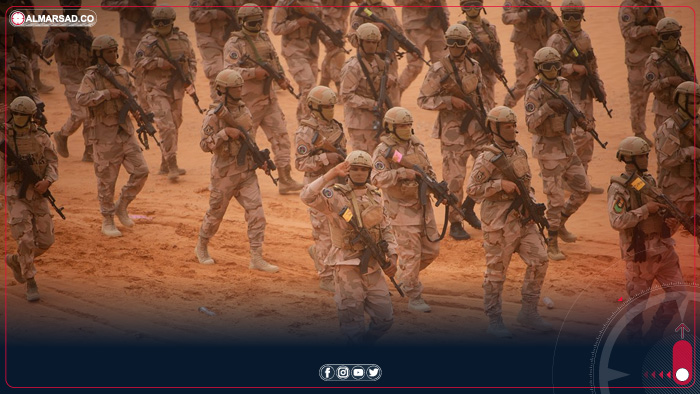
In this context, he thanked the armed forces, headed by the General Command of the Libyan Army, and the Interior Ministry, for facilitating the holding of the House’s most recent session in the city of Sebha without obstacles or interference in MPs’ work, whether before, during or after the session.
MPs’ freedom of movement and rejection of arms
Abdulnabi stressed that members of the House of Representatives represent the Libyan people, and that their freedom of movement, assembly and performance of their constitutional duties should be protected, and that protecting it is the responsibility of state institutions and the competent security agencies, and is not a matter for bargaining or pressure.
He renewed his rejection of the use of arms to influence the work of constitutional institutions or to substitute armed force for law and dialogue, stressing that the state being sought is a state of institutions subject to the law.
Zuwara and Zintan are not to be blamed
Abdulnabi expressed his appreciation for the people of Zuwara and Zintan and his pride in the two cities’ history, their people and their patriotic positions, rejecting any attempt to hold their residents responsible for the actions of any party or group, or to turn what had happened into an affront to them.
He stressed that Zintan and Zuwara are a dear part of Libya, and that their standing is not affected by the incident, whatever its consequences, calling for no confusion between the people of the two cities and the parties responsible for disrupting the session.
Call to uncover the circumstances and assign responsibility
The Speaker of the House called for the circumstances of what had taken place to be uncovered and for responsibilities to be assigned in accordance with the law, away from smearing and escalation, affirming the House’s continued openness to everyone who believes in dialogue and respect for state institutions, and that the aim was not for one side to prevail over another, but for the prestige of the state to prevail, and for Libyans’ right to live under the law, freedom and social justice.
He said Libyans had paid a heavy price in their security, stability, economy and social cohesion, and had suffered from division, multiple centres of decision-making, the struggle over legitimacy and influence, and the transformation of institutions into hostages of political disputes. He expressed his refusal to add a new wound to what citizens were already enduring.
He stressed the need to enable MPs to travel to any city to perform their duties and hold their meetings, and to guarantee citizens’ right to express their views without the residents of any region or city feeling that they were outside the concerns of the state and its institutions.
Sessions will continue and work towards elections
Abdulnabi stressed that what was required was a state in which the law was above all and institutions were stronger than individuals, and in which political disagreement became a path to consensus rather than enmity and rupture, stressing that what had happened in Zintan would not prevent the House from continuing its constitutional responsibilities and engaging with citizens, and that disagreements and pressure should not become obstacles to building the state and restoring its unity.
He said the House of Representatives would continue to work to end the division, unify the sovereign and executive institutions and create the conditions for presidential and legislative elections, leading to a permanent constitution and a stable state in which Libyans choose their leaders of their own free will.
Reconciliation, tolerance and opening Parliament’s doors
He renewed his call for reconciliation, tolerance and consensus, stressing that the homeland is greater than disputes, posts and narrow political interests, and that he looked forward to every Libyan city hosting a parliamentary gathering that would bring the country’s people together under the roof of their legislative institution.
He stressed that the doors of the House of Representatives would remain open to all, and that the aim was a united, safe and stable Libya in which justice and equality prevail and which is governed by institutions and the law.
Concluding, Abdulnabi stressed that the prestige of the state is preserved by respect for the law, and that the strength of the House of Representatives is determined not so much by where it holds its sessions as by respect for its constitutional powers and its ability to carry out its legislative and oversight duties towards the Libyan people, praying that God would protect Libya and its people, bring their hearts together and grant everyone success in what is best for the country.