A defence partnership and an exchange of expertise between Libya and Qatar
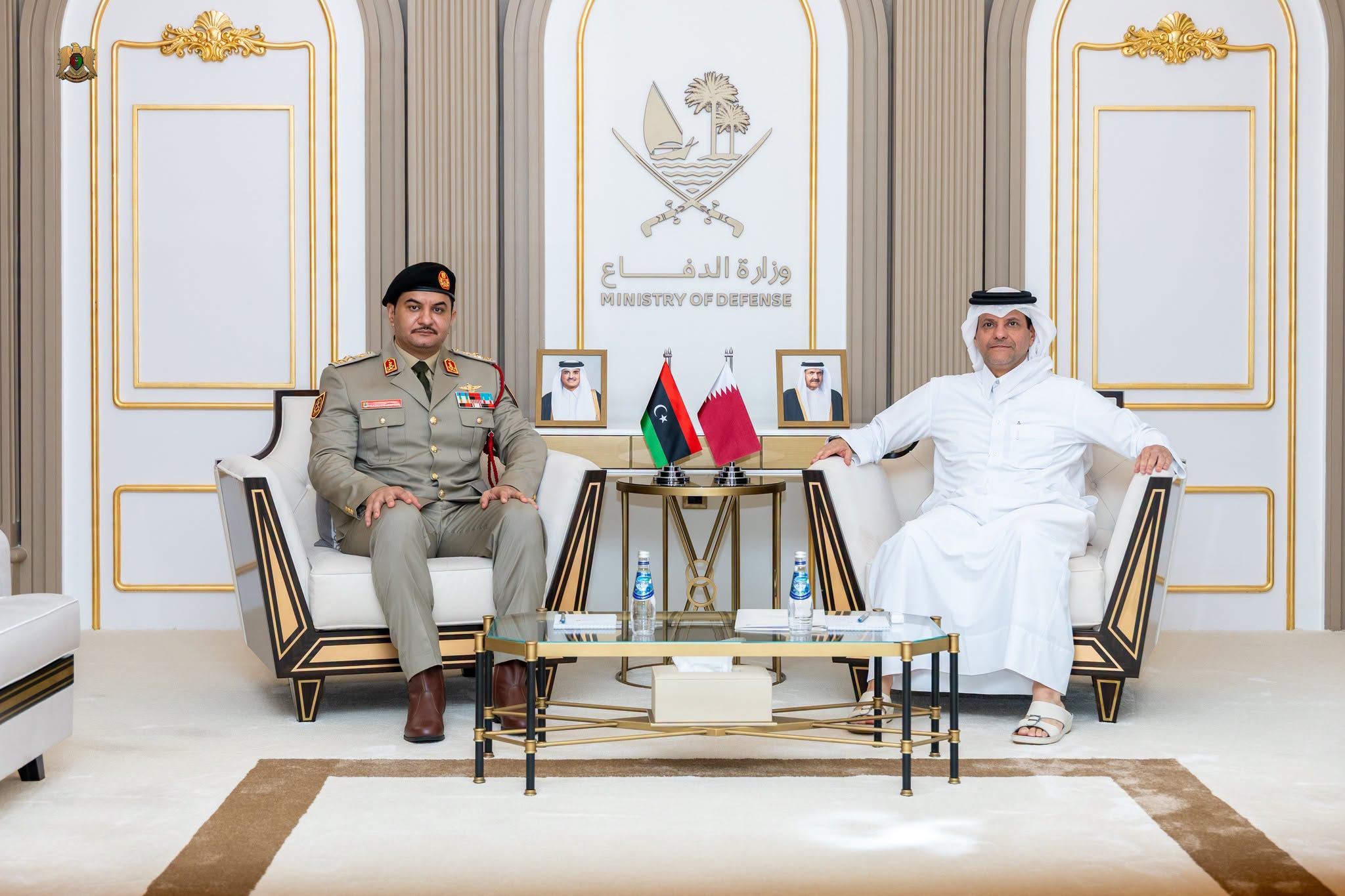
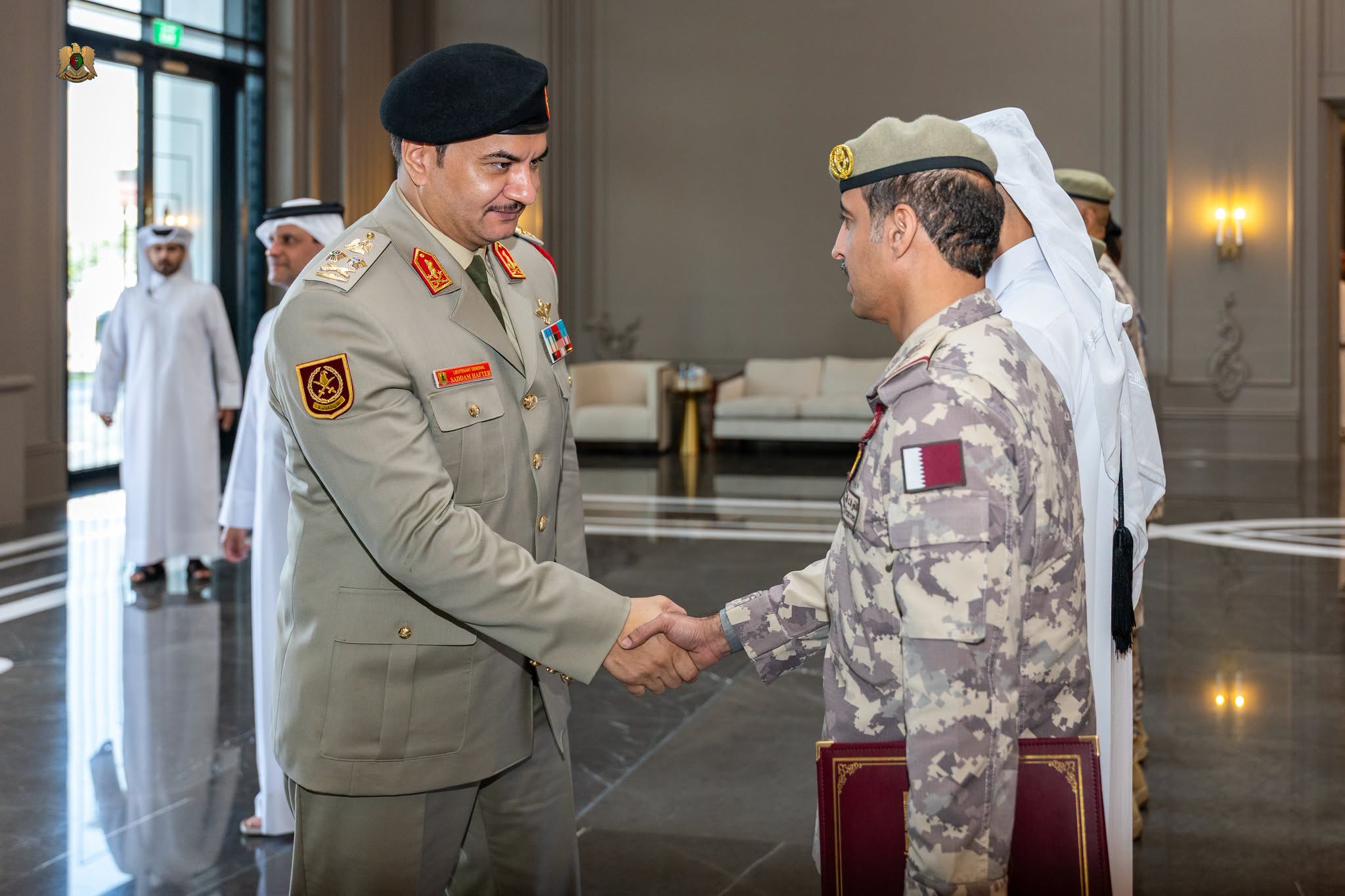
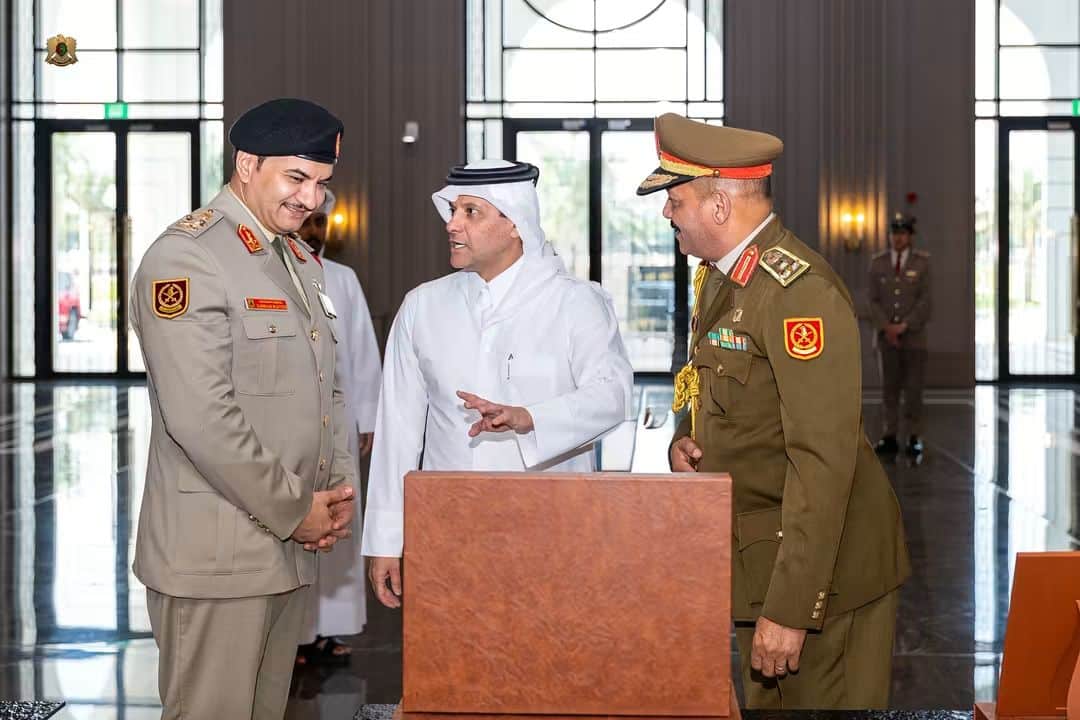
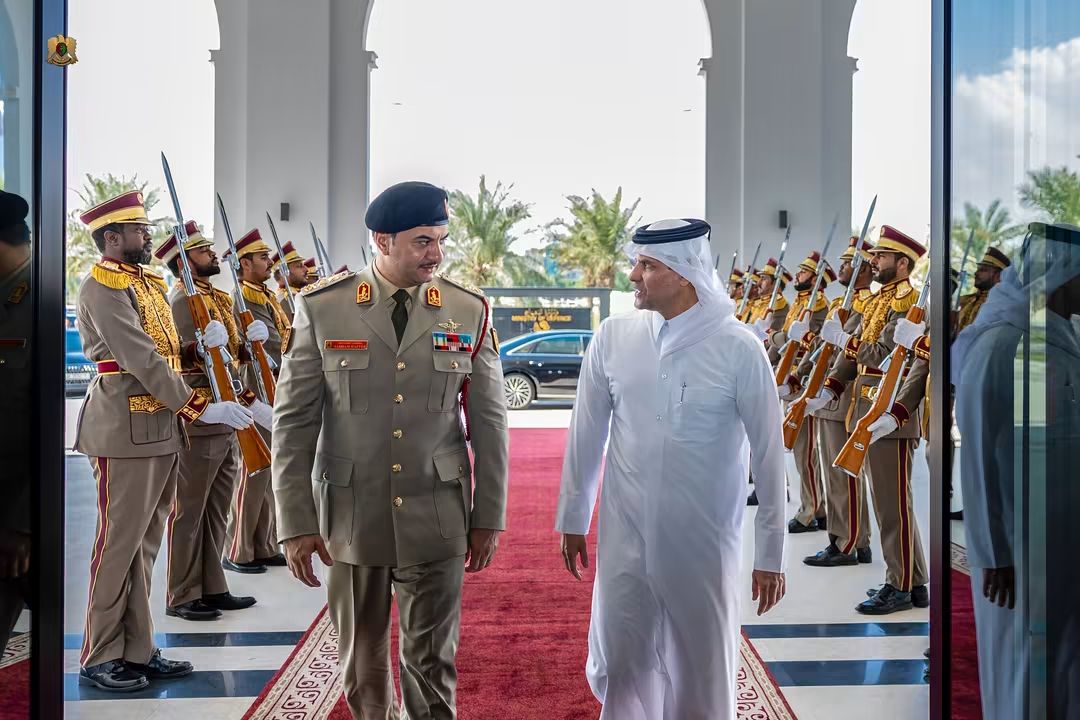
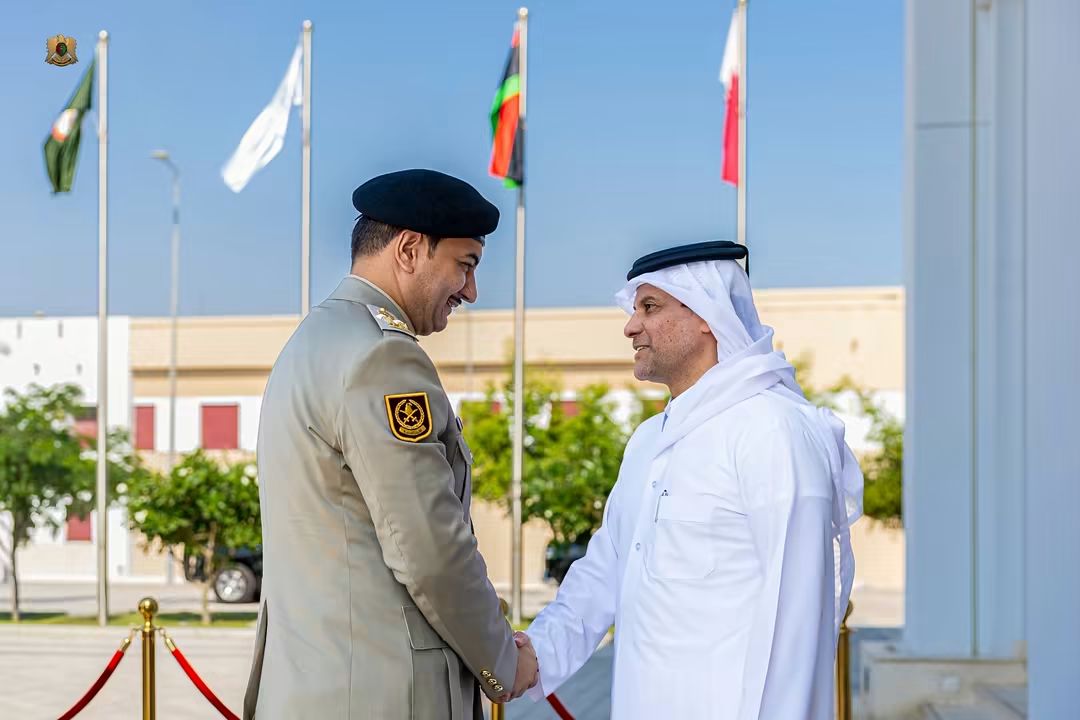
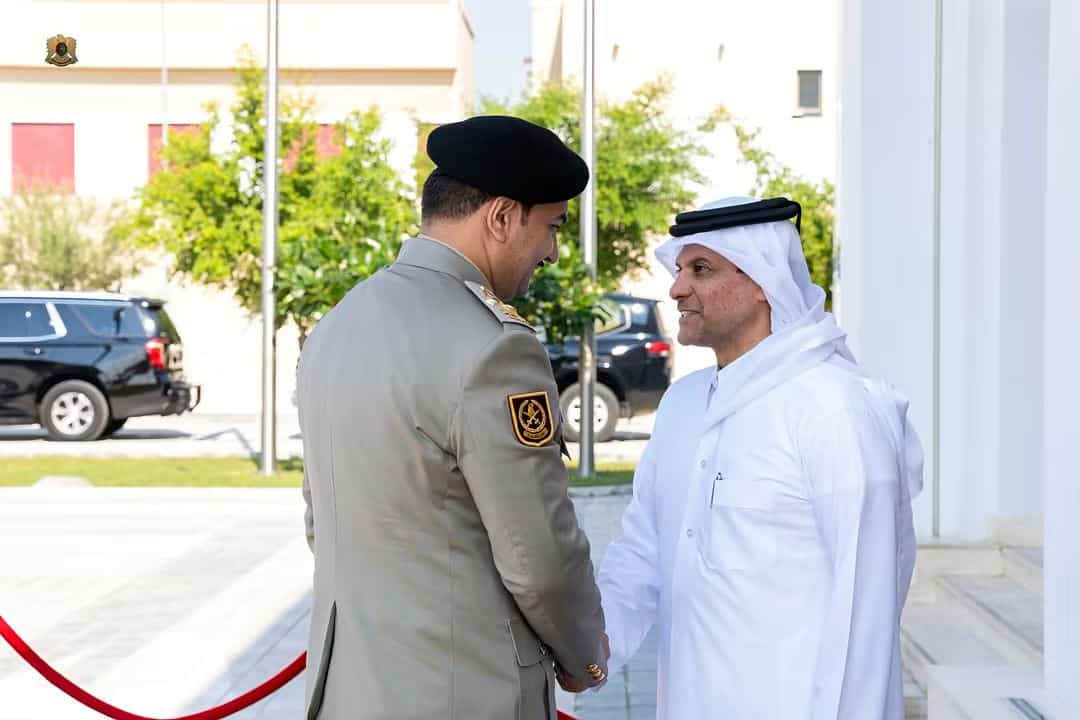
LIBYA – Deputy Commander-in-Chief of the Armed Forces Lt Gen Saddam Haftar has paid an official visit to the State of Qatar, at the invitation of the Deputy Prime Minister and Minister of State for Defence Affairs of the State of Qatar, Sheikh Saoud bin Abdulrahman bin Hassan Al Thani, who welcomed the visit of Lt Gen Saddam Haftar and the accompanying delegation, in the context of strengthening bilateral relations and ties between the two brotherly countries.
Talks on defence cooperation and institutional partnership
During a meeting held as part of the visit, the two sides discussed a number of issues and topics of common interest, foremost among them ways to strengthen cooperation and coordination in the defence and military fields, develop frameworks for institutional partnership, and exchange expertise and experience, in a manner that contributes to building sustainable cooperation that meets the two countries’ aspirations and serves their shared interests.
An exchange of views on developments and challenges
Lt Gen Saddam Haftar affirmed that his visit to Qatar represented an important opportunity to exchange views on developments and challenges, in support of efforts aimed at consolidating security and stability and strengthening the shared interests of Libya and Qatar.
The Qatari minister stresses the importance of political and military communication
Sheikh Saoud bin Abdulrahman bin Hassan Al Thani affirmed the depth of the brotherly relations binding the two countries, noting that Lt Gen Saddam Haftar’s visit reflected the shared will to strengthen communication and consultation at the political and military levels, and to consolidate the foundations of an effective partnership based on mutual trust, respect and constructive cooperation, opening broader horizons for the future of relations between Libya and Qatar.
Lt Gen Saddam Haftar stresses the importance of developing relations with Qatar
Deputy Commander-in-Chief of the Armed Forces Lt Gen Saddam Haftar said, in a post on his Facebook account, that he had met in Doha Sheikh Saoud bin Abdulrahman bin Hassan Al Thani, Deputy Prime Minister and Minister of State for Defence Affairs of the State of Qatar, and discussed with him a number of topics of common interest and ways to strengthen and develop cooperation, in the presence of a number of senior officers and officials from both sides.
Lt Gen Saddam Haftar expressed his appreciation to Sheikh Saoud bin Abdulrahman Al Thani and to the brothers in Qatar for the warm reception and the interest he had sensed in strengthening bilateral relations, explaining that the visit came in the context of his view of the importance of developing Libyan-Qatari relations and establishing long-term cooperation in various fields, based on mutual interests and contributing to consolidating security and stability in Libya and the region.
Unifying state authority and military decision-making
He added that Libya’s openness to its brothers and its international partners proceeds, in his view, from national principles based on the unity of the state, its sovereignty and the independence of its national decision-making, and on establishing balanced relations on the basis of shared interests and mutual respect.
Lt Gen Saddam Haftar affirmed that safeguarding national sovereignty and shielding Libya from the repercussions of international and regional conflicts required, first and foremost, ending the political division and unifying state authority, stressing that “national military decision-making is inseparable from the unity of the political leadership, and a unified state cannot be built amid divided authorities.”
Praise for Qatar’s role and a call for sustainable partnerships
Lt Gen Saddam Haftar praised Qatar’s role and its efforts in supporting dialogue, settling disputes and strengthening security and stability in the region, and its positions in support of Libya’s unity and sovereignty, considering that Libya’s stability was an integral part of regional security.
He stressed that the Libyan state’s recovery of its unity, full sovereignty and the independence of its decision-making was the path to establishing sustainable international partnerships and recovering its standing as an effective state in consolidating regional security and stability, rather than becoming an arena for the intersection of international interests and conflicts.