Health warnings after 22 mushroom poisoning cases
LIBYA – The head of the Al-Bayda branch of the Municipal Guard, Mohamed Al-Mabrouk, has announced that 22 cases of poisoning from eating wild mushrooms have been recorded, most of them children, while the head of the internal medicine department at Al-Bayda Medical Centre, Hamza Al-Mismari, said some patients had developed acute liver failure requiring urgent liver transplants.
Poisonous mushroom known as “Zil Al-Kalb”
In comments to Libya Al-Ahrar TV, which broadcasts from Turkey with Qatari funding, Al-Mismari said the cases were linked to eating a poisonous wild mushroom known locally as “Zil Al-Kalb”, and that the condition of some patients had deteriorated compared with previous days.
He added that a liver transplant may be the necessary treatment for patients whose condition had progressed to acute liver failure, calling on the state to intervene urgently to provide treatment.
Warning against confusing “Al-Qamhi” with the poisonous mushroom
He warned against eating wild mushrooms at present, including the variety known locally as “Al-Qamhi”, because of its resemblance to “Zil Al-Kalb” and the risk that confusing the two could cause new poisoning cases.
Cases among children and in intensive care
Al-Mabrouk said most of those affected were children, and that patients were being treated in the paediatric and intensive care units of Al-Bayda Medical Centre. Some cases were stable, while others were suffering serious complications.
Inspection campaign and seizure of mushrooms in markets
He said the Municipal Guard had begun precautionary measures to collect and seize mushrooms offered for sale, whether local or imported, and called on citizens to avoid eating wild mushrooms.
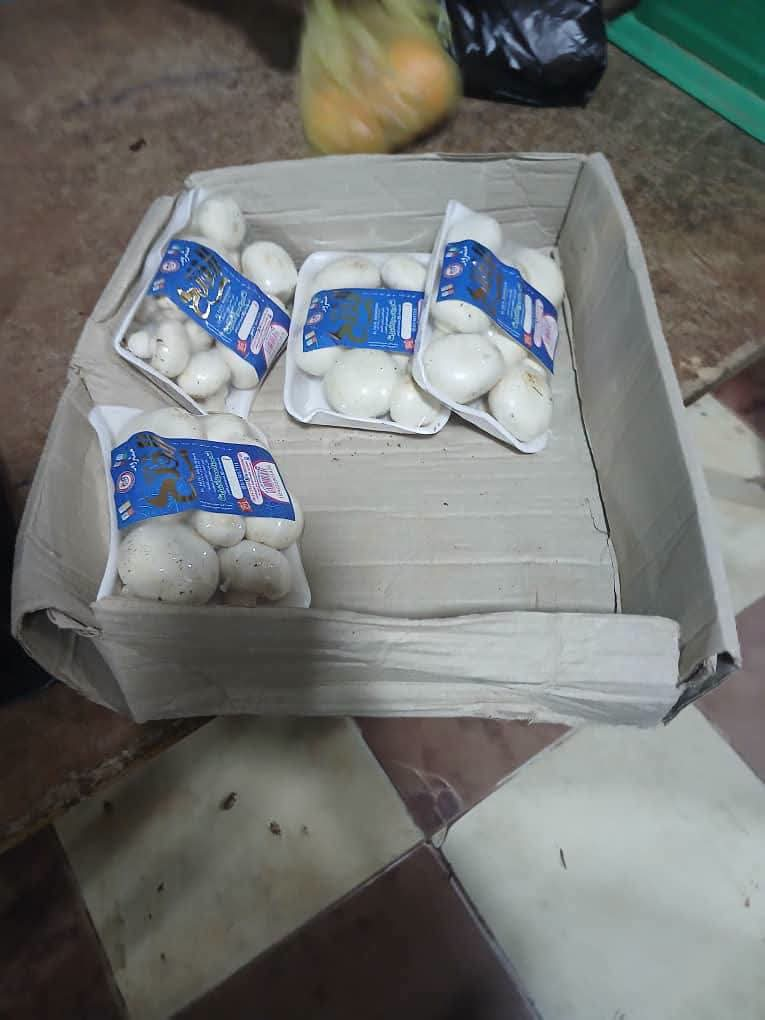
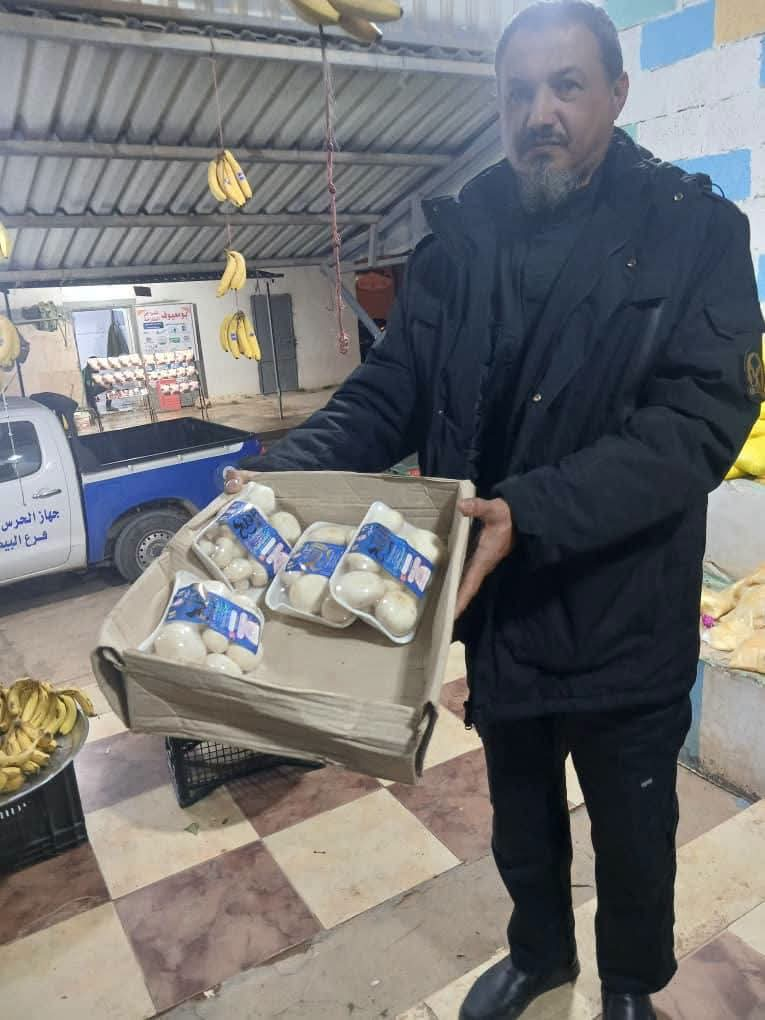
On the instructions of the head of the Al-Bayda branch of the Municipal Guard, patrols from the Municipal Guard centre in Slonta carried out an inspection campaign of vegetable and fruit shops within their jurisdiction, searching for the mushroom known as “Al-Qamhi”.
The campaign led to the seizure of quantities offered for sale, which the Municipal Guard said had been confiscated in full, secured as evidence and withdrawn from the markets to protect consumers.