Criticism of the settlement mechanism between the NOC and the Central Bank
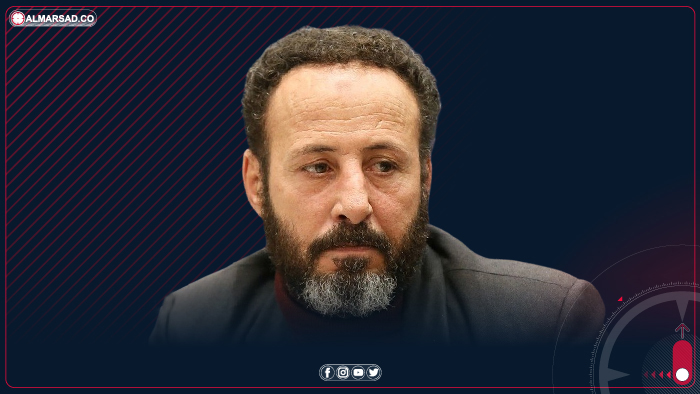
LIBYA – Former Central Bank of Libya board member Muraja Ghaith has said the dispute between the Central Bank of Libya and the National Oil Corporation (NOC) reflects weak transparency and unclear data, describing the way revenues are presented as chaotic and raising legal reservations about the mechanism for allocating funds for fuel imports.
Fuel costs deducted before revenues are transferred
In comments to the Fawasel platform, Ghaith said the NOC deducts the value of fuel imports and then transfers the remaining revenue to the Central Bank on the basis of a Council of Ministers decision, arguing that the decision allows a procedure that, in his view, contravenes the provisions of the financial laws.
Call for the NOC to publish the decision and its data
He said he believed this procedure lies at the root of the dispute, calling on the NOC to publish its data and the Council of Ministers decision on which it relies so as to explain the settlement mechanism clearly. He noted that the Central Bank had been aware of the decision but had considered that raising the matter might be part of the wrangling between institutions.
Same arithmetic result, but legal violations
Ghaith explained that the arithmetic result might be the same whether the revenues are transferred in full to the Central Bank and funds are then allocated to the NOC to import fuel, or the cost is deducted before the net revenues are transferred, but he stressed that the legal difference remains, accusing the Council of Ministers, the NOC and the Libyan Foreign Bank of committing financial violations, in his assessment.
Criticism of Libyan Foreign Bank transfers
He added that, in his view, the Libyan Foreign Bank should not have carried out the NOC’s instruction to transfer funds from the sovereign account to the corporation’s commercial account.