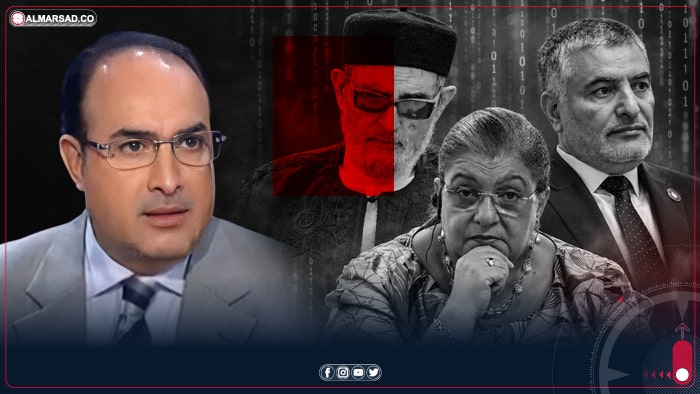
Political deadlock and the import bill weigh on the economy
LIBYA – Economist Noureddine Habarat has warned that economic conditions in Libya will continue to deteriorate if the political deadlock persists and real reforms remain absent, arguing that high public spending, dependence on imports and pressure on foreign currency threaten the stability of the dinar.
The oil dispute and the fuel bill
In comments to the Fawasel platform, Habarat said the dispute over oil revenues is linked to the value of the financial obligations arising from the fuel bill, noting that the Audit Bureau has formed a committee to review the file.
Imports, smuggling and demand for dollars
He explained that importing fuel, food and medicines raises demand for dollars and widens the balance of payments deficit, at a time when, in his view, imports exceed the country’s needs and part of them is smuggled abroad.
Output of 1.4 million barrels a day fails to stabilise the dinar
He argued that the Central Bank of Libya’s measures had failed to protect the value of the dinar, despite oil production holding steady at about 1.4 million barrels a day and higher global prices, adding that falling non-oil revenues, rising public debt, the depletion of reserves, corruption and political division are making the crisis more complicated.
Possibility of a further devaluation
Habarat expects the price of the dollar to rise in the coming period if the imbalances are not addressed, arguing that a further devaluation of the dinar could become, in his estimation, an option the Central Bank resorts to in order to provide resources for the government and delay a worsening of the crisis, without tackling its root causes.