Libyan-German talks on developing technical cooperation
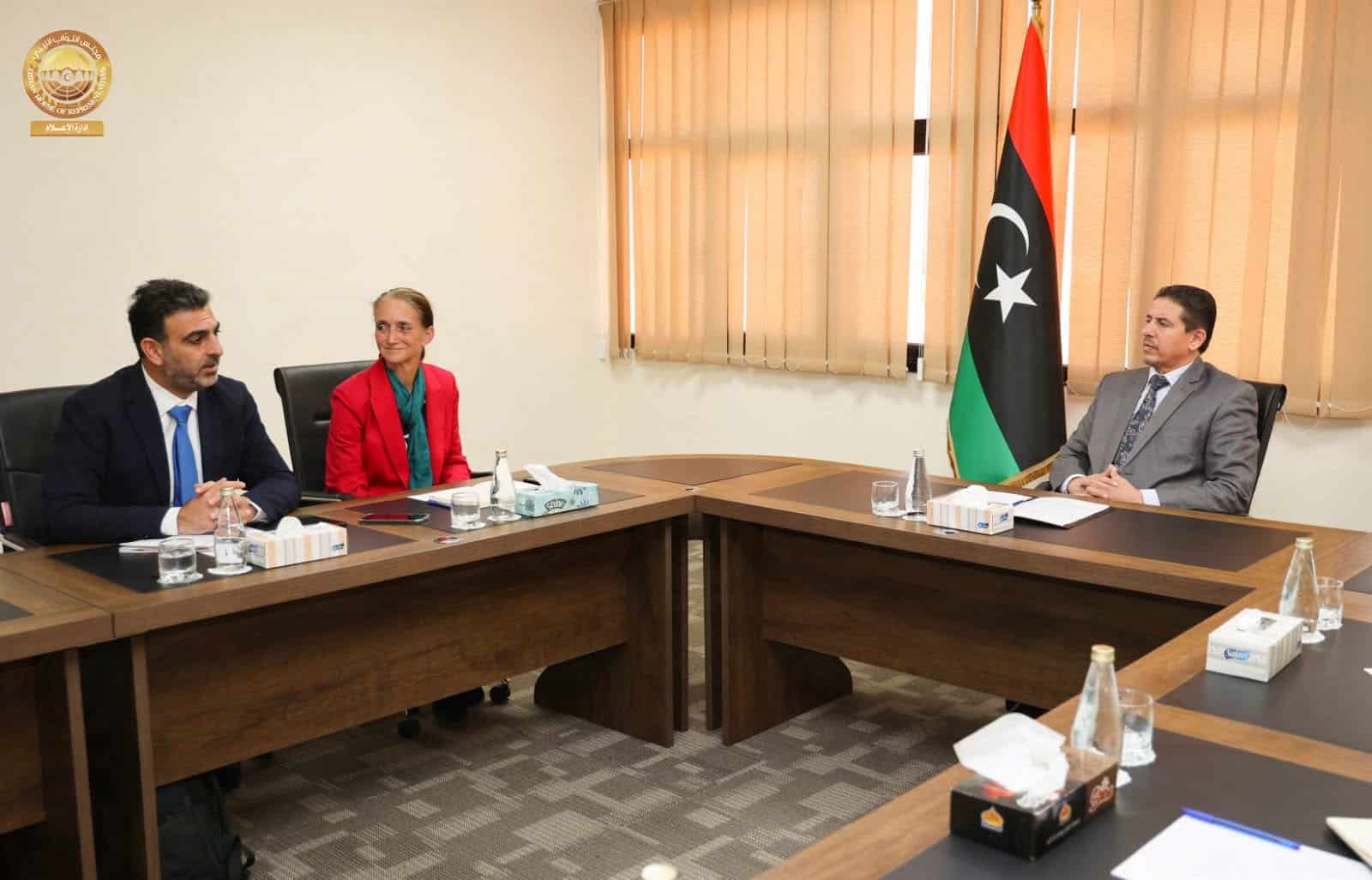
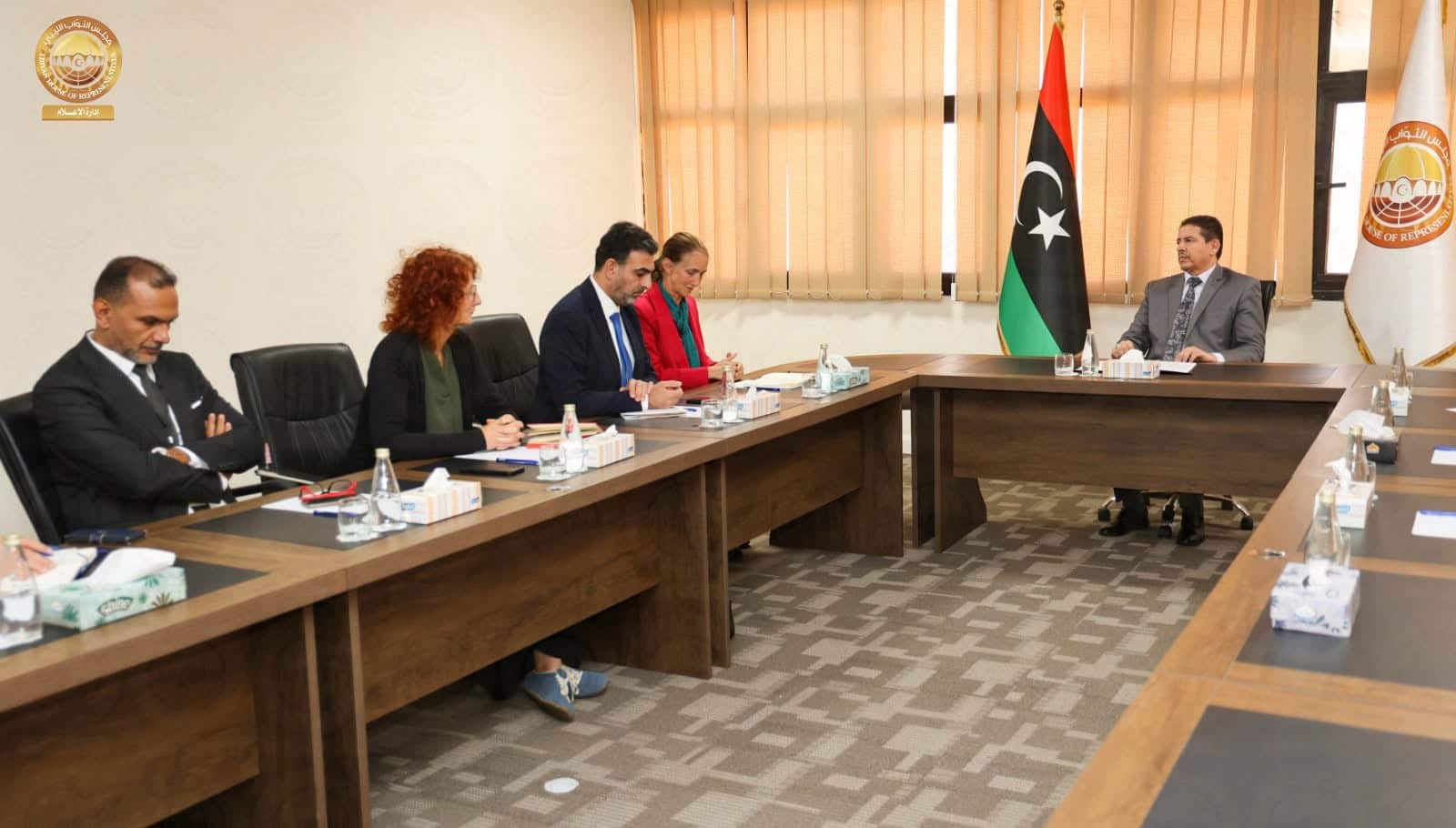
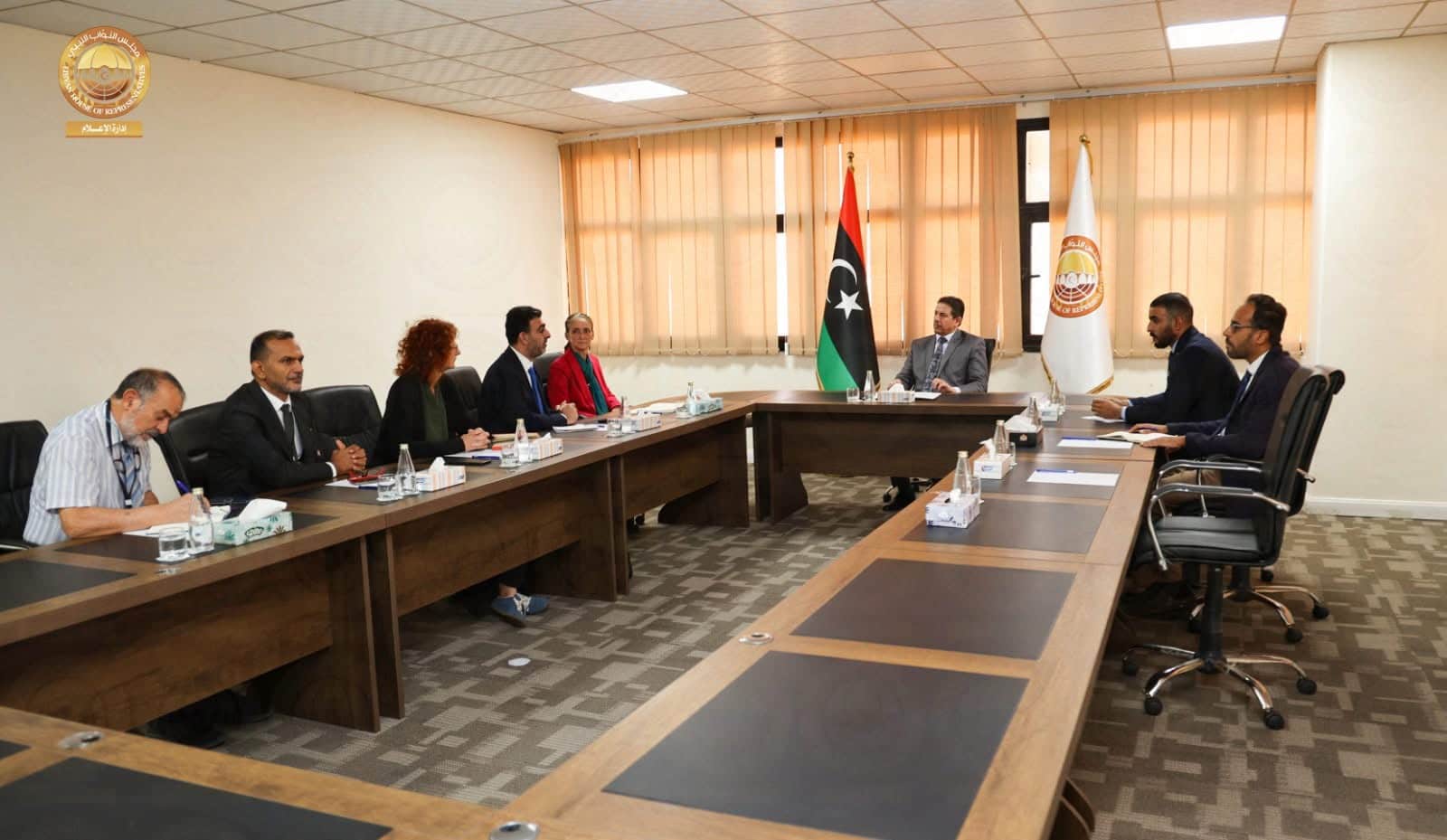
LIBYA – Youssef Ibrahim Al-Agouri, head of the House of Representatives’ Foreign Affairs and International Cooperation Committee, has met a high-level delegation from the German Agency for International Cooperation (GIZ) to discuss expanding the partnership and developing programmes and projects that support development and local services in Libya.
The GIZ delegation included Ariane Borgstedt, regional director; Yvonne Braun, executive director; Rani Daoud, manager of the municipal support project; Diaa Bouhadra, GIZ’s director in Libya; and Saad Al-Saiti, head of its Benghazi office. The committee was represented by Hassan Al-Dersi, the committee’s secretary, and Wael Mohamed Al-Oshaibi, a committee staff member.
Review of projects and implementation difficulties
Al-Agouri was briefed on the main programmes and projects GIZ is implementing in Libya, and the two sides discussed areas of technical cooperation and ways of drawing on international expertise to support various sectors, improve services for citizens and strengthen the capacity of local institutions.
The meeting addressed the main obstacles and challenges facing the implementation of GIZ’s programmes and projects and their impact on progress and results, stressing the need for closer coordination with the relevant authorities and discussing solutions to overcome difficulties, keep projects running and achieve tangible results.
Supporting municipalities according to local priorities
The two sides stressed the importance of supporting municipalities with the technical and advisory expertise they need to strengthen their capacity to exercise their powers and improve services for citizens across Libya, taking into account each region’s needs and development priorities.
Renewable energy, waste management and capacity building
The participants discussed drawing on international expertise to support the House of Representatives on priority files including renewable energy, waste management, climate change, sustainable development and decentralisation, as well as preparing specialised capacity-building programmes and expanding cooperation with academic institutions and scientific research centres.
At the end of the meeting, the two sides stressed the importance of continued coordination, developing the partnership and addressing the challenges facing programmes and projects, in order to make cooperation with GIZ more effective and deliver development benefits across the country.