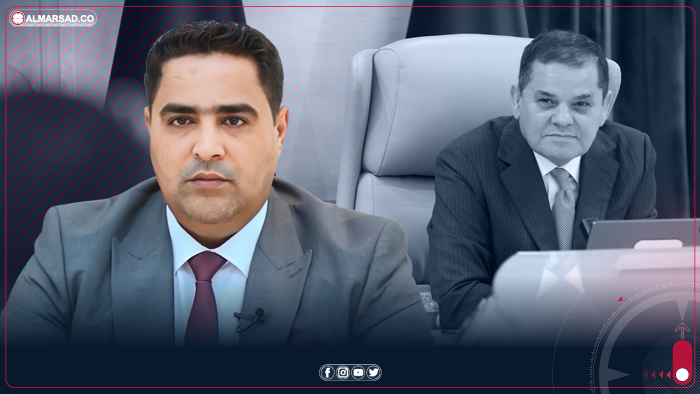
Belhaj sees emergency department closure as a warning of a health crisis
LIBYA – Adel Belhaj, head of the General Syndicate of Laboratory Medicine in Libya, has said the closure of the emergency department at the university hospital is not an isolated incident but, in his view, reflects the scale of the crisis facing the health sector, the shortage of equipment and the lack of safe working conditions.
US medical team’s accounts and health workers’ rights
In a phone interview on the news bulletin of Libya Al-Ahrar TV, which broadcasts from Turkey — followed and summarised by Al-Marsad — Belhaj said what the US medical team had revealed confirmed, as he put it, serious flaws in infrastructure and severe shortages of supplies and resources, adding that staff could not be asked to provide a safe service in an unsafe environment.
He affirmed the solidarity of the protest movement and the syndicates with medical and auxiliary medical staff, rejecting any attempt to blame them for poor management and lack of resources, or to threaten them with penalties and prosecution for demanding proper working conditions.
Documenting risks and limiting services to life-saving care where necessary
He urged health workers across the country not to put themselves or patients at risk when resources are lacking, and to document any shortage affecting safety or the quality of care and report it to the competent authorities.
He stressed that medical procedures that cannot be performed safely should be suspended, while life-saving, emergency and critical-care services should continue as far as available resources allow.
Investigating budgets and holding those responsible to account
Belhaj questioned what had become of the budgets allocated to health and who was responsible for the deterioration of hospitals and the shortage of supplies, calling on the government and oversight bodies to carry out a serious investigation, hold those at fault to account and move quickly to provide a safe working environment and adequate equipment.
He also criticised what he described as weak coverage by some media outlets of the videos posted by the US medical team, which documented the lack of resources and the working conditions, stressing the importance of highlighting them.
He concluded by affirming his commitment to the limits of his syndicate’s remit, noting that doctors have their own representatives and that his role as head of the General Syndicate of Laboratory Medicine does not entitle him to intervene in the affairs of another syndicate.