Identity checks, currency screening and risk-based inspections in a European programme for Libya
LIBYA – The EU Border Assistance Mission in Libya (EUBAM) has provided multi-agency training and mentoring to strengthen integrated border management, according to a field report by the mission.
Document security and live inspections at ports
The report, followed and summarised by Al-Marsad, said the training covered advanced document security and live inspections at ports, as well as specialist expertise aimed at strengthening cooperation between agencies and improving integrated border management.
Experts from interior, defence, foreign affairs and customs
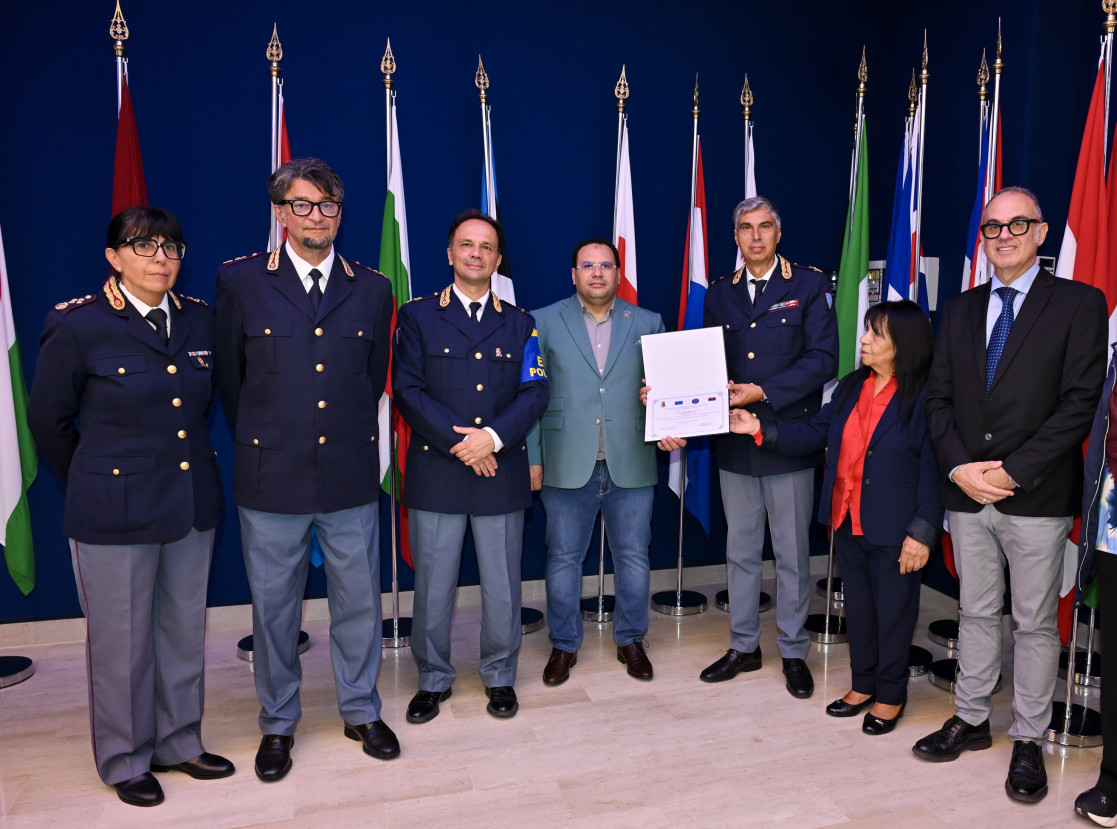
According to the report, the training and practical mentoring were provided in the Italian cities of Cesena and Ancona for Libyan border experts from the Dbeibah government’s ministries of interior, defence and foreign affairs, as well as the Customs Authority.
It said the initiative was supported on the ground by Italy’s State Police and Customs Agency.
Electronic documents, biometrics and forgery detection
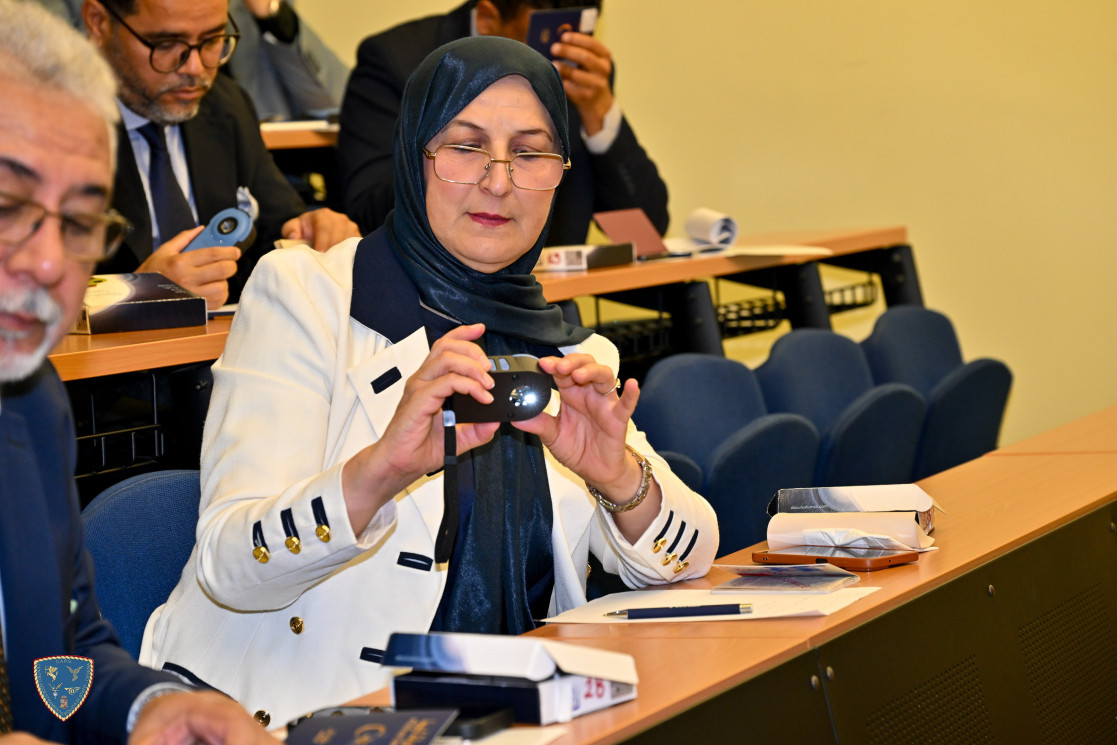
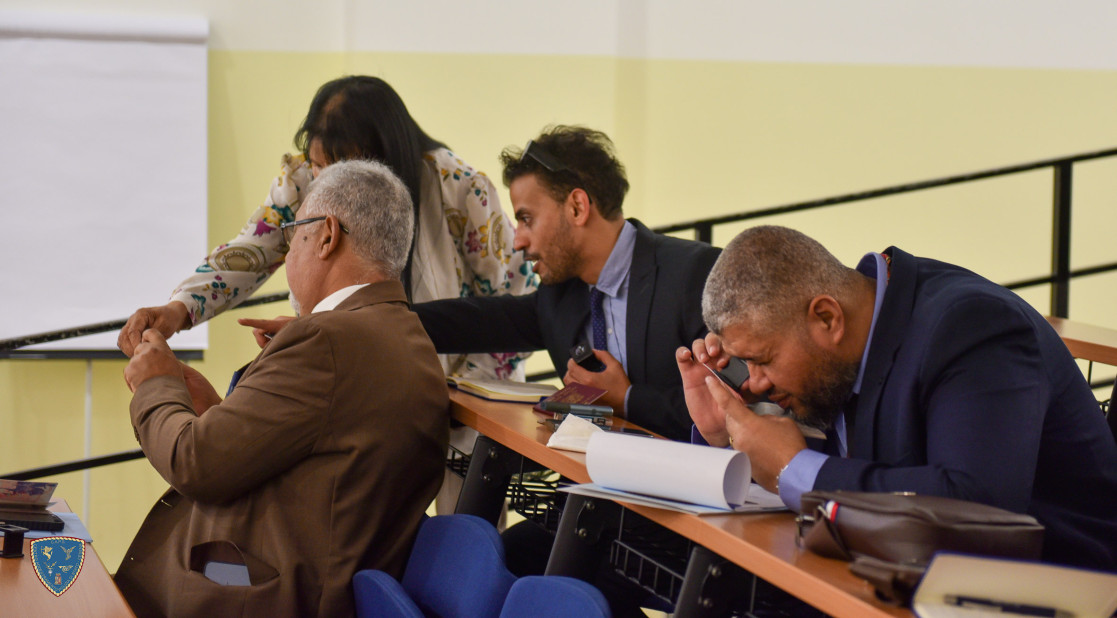
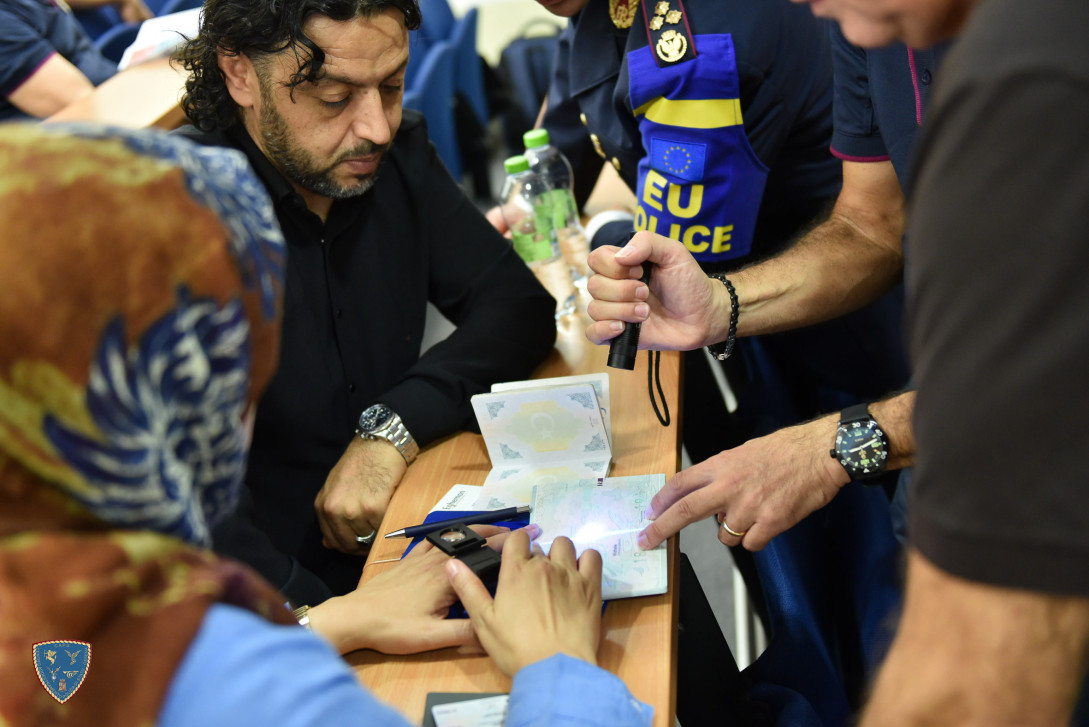
The report said the multi-agency Libyan participation reflected the range of bodies involved in border management. At the core of the initiative was advanced training at the State Police Academy on document security, document production and security features, electronic documents, biometrics, and the detection of forged and manipulated documents.
Practical work at the port of Ancona
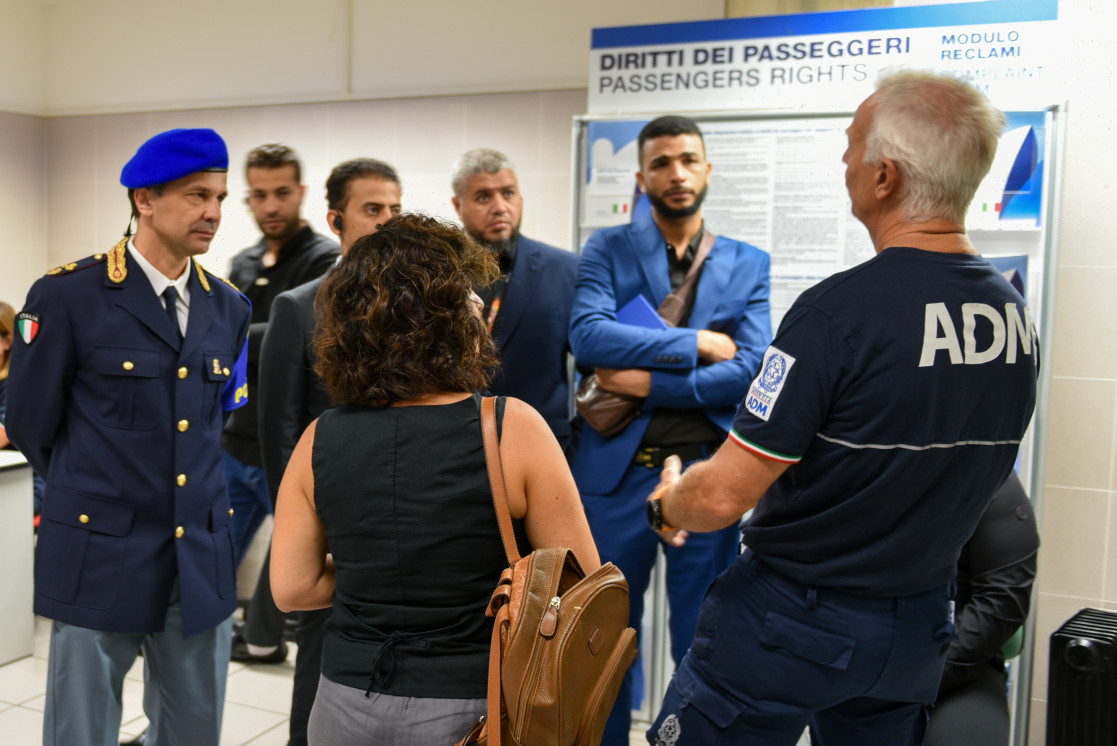
Practical exercises strengthened participants’ technical skills and frontline detection capabilities, the report added. At Ancona International Port, participants observed Italy’s Maritime Border Police and Customs Agency carrying out live checks on ferries arriving from outside the European Union.
Identity, currency and risk-based checks
The procedures included document and identity checks and the use of shared inter-agency databases by the Border Police, as well as currency checks and risk-based inspections, including the use of scanners, by the Customs Agency, the report said.
Agencies working together as part of integrated management
The report quoted EUBAM senior adviser Sandro Tommasi as saying the activity had shown how different agencies and areas of expertise could work together in practice. He said that combining document verification, information-sharing and risk-based controls allowed border-management agencies to complement one another and contribute to a more integrated approach.