Networks run the parallel market from outside the country
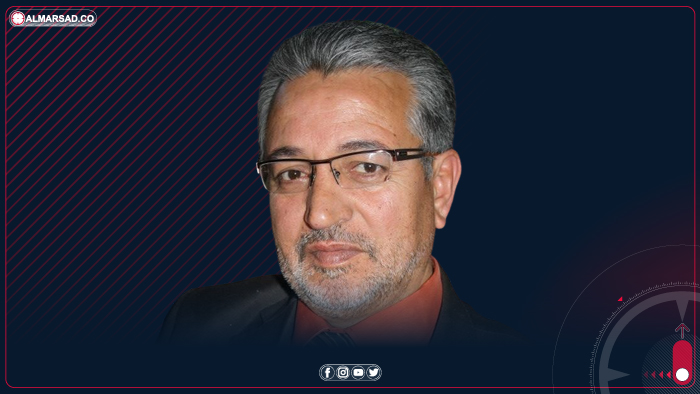
LIBYA – Former Central Bank of Libya board member Muraja Ghaith has warned that continued chaos in the management of foreign currency could deplete the free reserves of hard currency, saying the real players in the parallel market are not limited to individuals on the streets of Tripoli or in Souq Al-Mushir, but include networks and traders who run their operations from outside Libya.
Criticism of the Central Bank’s policies and allocations for personal purposes
In exclusive remarks to Sputnik, Ghaith held the Central Bank of Libya primarily responsible for the turmoil in the exchange market as a result of its foreign currency management policies, questioning the point of continuing to allocate large sums for personal purposes when the bank knows in advance, in his words, that part of that money ends up on the parallel market.
He said the allocation of about 8 billion for personal purposes during 2025 had, in his assessment, fed the black market rather than achieving the declared aim of providing foreign currency to citizens, and called for strict oversight of documentary letters of credit and of how foreign currencies are used.
Tighter import controls and penalties for violators
Ghaith called for tighter oversight of imports through official banking channels and for deterrent measures against violators, up to and including the confiscation of goods that enter the country outside the legal framework, warning of the consequences for the free reserves if the mismanagement of foreign currency continues.
Rejection of the black-market rate as a benchmark for the dinar
Ghaith criticised the growing media focus on parallel-market rates and their movements, saying it was unacceptable to treat that market as a normal one or as a benchmark for valuing the dinar, because dealing on parallel markets is a crime under Libyan law, as it is in many countries, in his words.
He stressed that the Central Bank of Libya’s core role is to monitor how every dollar granted to traders and others is used and to check that it goes to its intended purpose, insisting that protecting the national economy is a shared responsibility that includes, alongside the bank, the security and oversight agencies and the Ministries of Finance and Economy.