Five-day UN visit to hear the south’s priorities
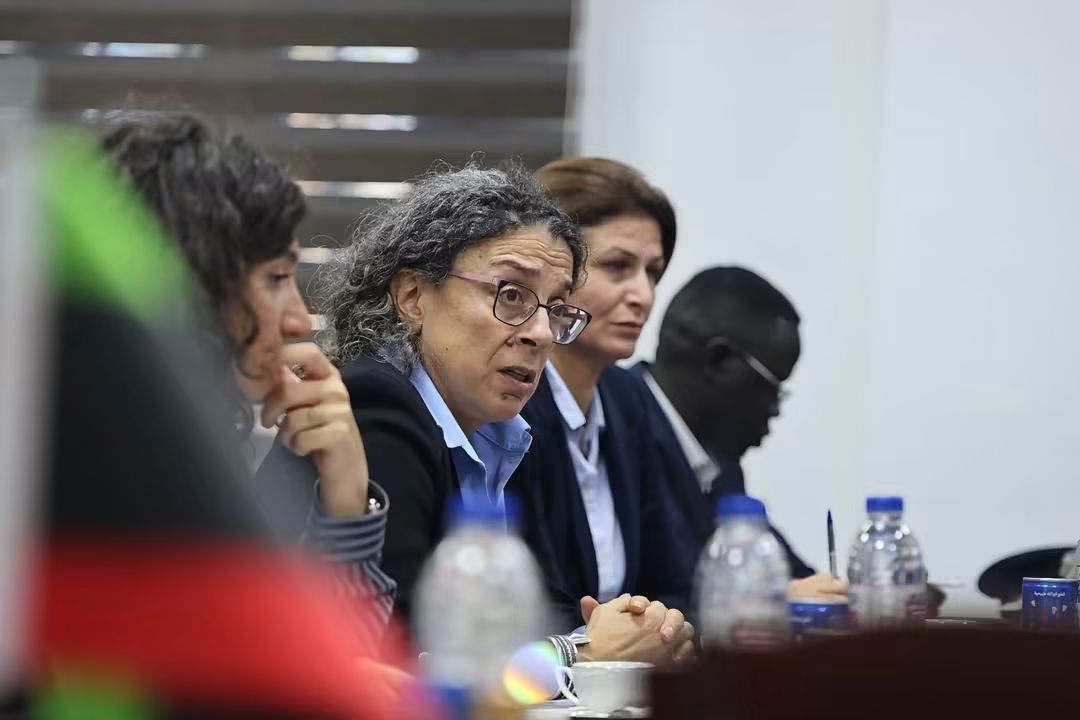
LIBYA – Stephanie Khoury, Deputy Special Representative of the UN Secretary-General for Political Affairs, began a five-day visit to the southern region on Sunday, arriving in Sebha at the head of a UN Mission delegation to hear residents’ views on the UN-facilitated political roadmap and to learn about their priorities and concerns and how to address them.
She was received at Sebha International Airport by a delegation led by Sebha Mayor Ahfaf Omar Al-Aswad, who expressed appreciation for the visit and called for wider outreach and participation. Khoury congratulated the mayor on his election last year and on the opening of the new Sebha International Airport.
Judiciary: ending division is essential for the electoral process
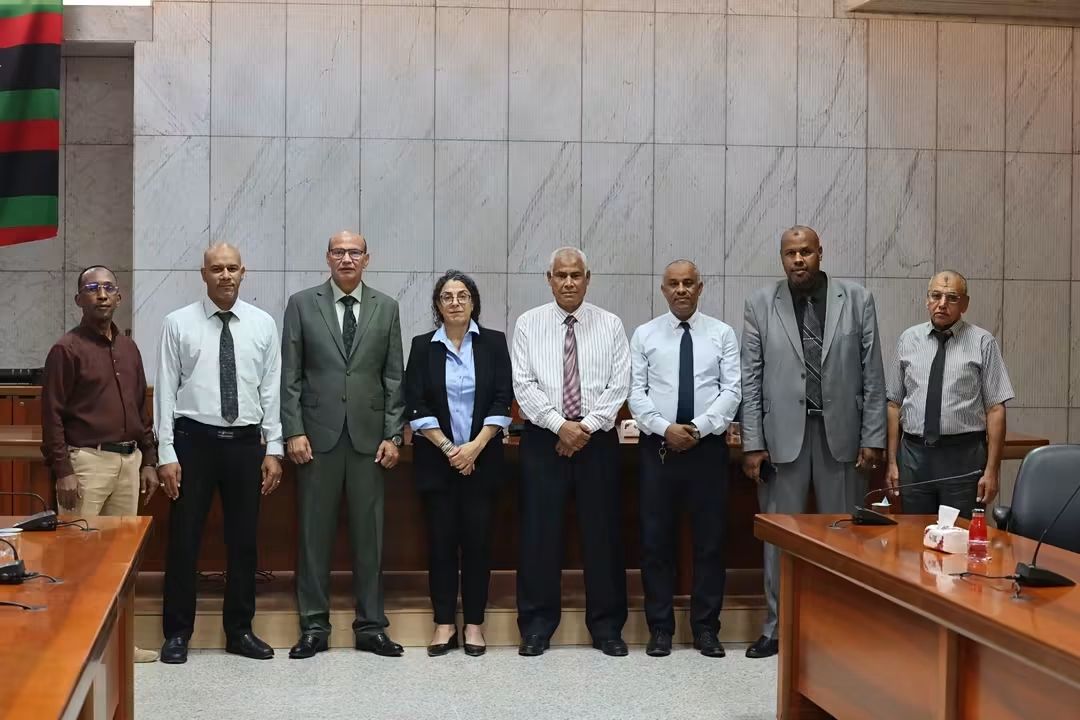
Khoury began her meetings at the Sebha Court of First Instance with the court’s president, Wanis Muaiqil, and a number of members of the judiciary, among them two women judges. The judges spoke of the negative effects of the division of the judicial authority on citizens’ lives and stressed the need to unify the judiciary as soon as possible as a cornerstone for the success of any electoral process.
Khoury outlined some of the efforts being made by members of the judicial and legal communities to reunify the Supreme Judicial Council.
Sebha bank: improved liquidity and the need for a unified economy ministry
Khoury also discussed the economic and financial situation in the south with the director of the Central Bank of Libya’s Sebha branch, Abdulkarim Al-Shahati. Al-Shahati pointed to a marked improvement in cash liquidity, explaining that the digital transformation of banking, with the instant transfers and bank cards it has made possible, had eased the hardship citizens faced in getting access to their money.
The two sides discussed making microfinance easier to obtain in order to stimulate the private sector and encourage investment in fields including agriculture and renewable energy. Al-Shahati stressed that a unified central bank alone is not enough to rescue the national economy without unifying executive institutions and having a single economy ministry that formulates integrated policies.
Irregular migration and drugs top security challenges
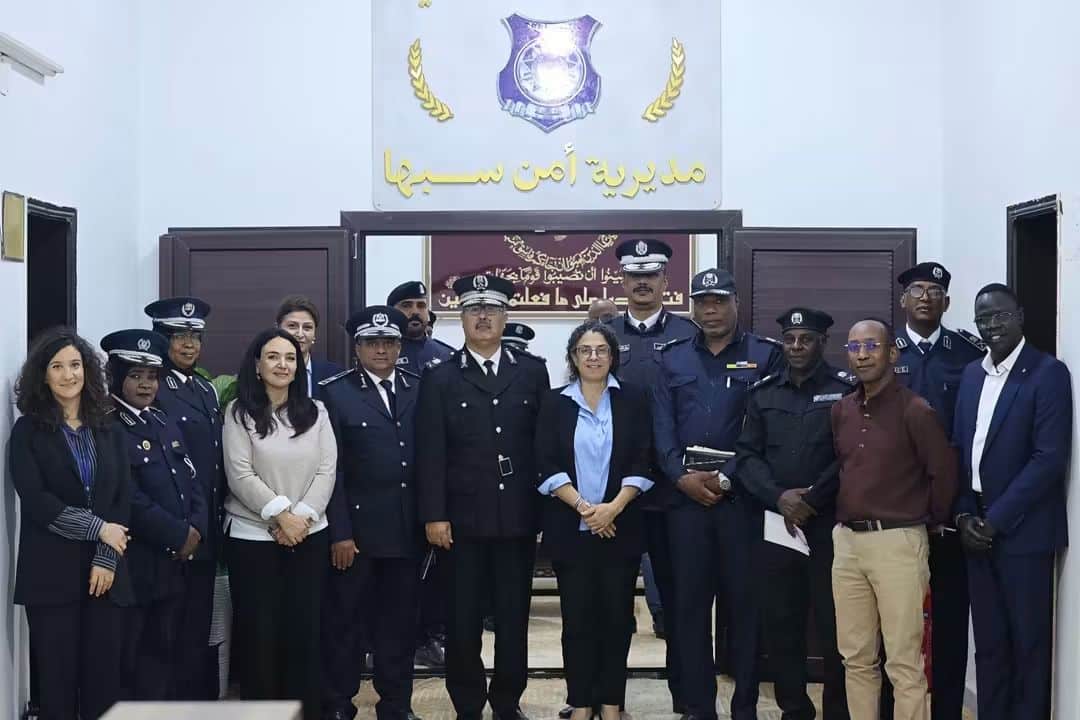
At the end of the first day, Khoury visited the Sebha Security Directorate and met male and female security officials from the region, while the directorate’s director, Maj Gen Mansour Al-Jadid, pointed to an improvement in the security situation over the past years.
Participants identified irregular migration and drug trafficking as the two main security challenges facing the city. Maj Gen Abdulrahman Al-Ansari, the Anti-Illegal Migration Agency official in charge of the southern region, said Sebha was seeing a steady rise in the number of migrants, particularly Sudanese refugees, after the border was closed in the Al-Uwaynat area, which had pushed them to take an alternative route through Chad to Sebha.
Al-Ansari called on the United Nations to increase its support for and coordination with the security authorities in the south, saying the number of migrants there exceeded that in any other region of Libya.
Khoury calls for unified security policies and regional coordination
Khoury stressed the need to unify state institutions in order to combat human trafficking and address migration issues and other security challenges through unified, effective policies and stronger regional coordination.