Zawiya teachers protest over pay and school equipment
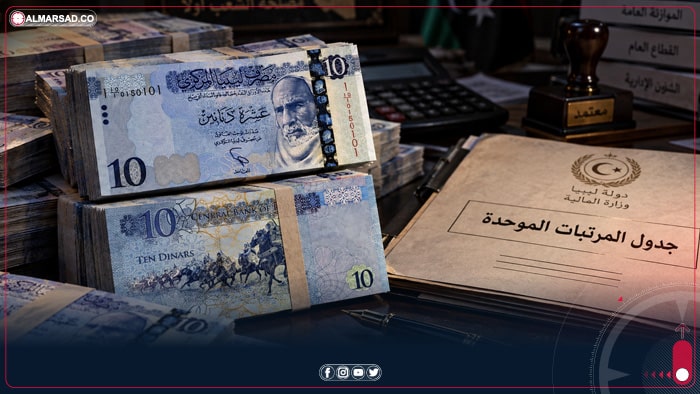
LIBYA – Abdulrazzaq Hohoz, a member of the Greater Zawiya Teachers’ Coordination Movement, has rejected the unified salary scale issued by the government and now in circulation, arguing that it does not do teachers justice or give them a decent standard of living amid rising prices and falling purchasing power.
A rise of 170 to 200 dinars that fails to keep pace with prices
Speaking by phone on the “Hiwariyat Al-Laila” programme on Libya Al-Ahrar TV, which broadcasts from Turkey — followed and summarised by Al-Marsad — Hohoz said that the exemption of sectors such as the army and the Administrative Control Authority, along with the higher education sector’s rejection of the scale, left the proposed increase for teachers, of between 170 and 200 dinars, insufficient in the face of high prices and the rising exchange rate.
Differentials owed since 2018 and an allowance dating back to 2017
He stressed that the financial differentials accumulated since 2018 were rights that must be paid and debts owed by the government, not merely negotiating demands, expressing surprise that government bodies cited a lack of funding at a time when, he said, increases were being paid to other sectors, including oil institutions and the army.
He said the decision on the hourly teaching allowance had been issued in 2017, but the allowance had been paid only once in the years since, despite staffing tables being activated, and called for its value to be raised and for it to be paid regularly.
The previous salary law and eroding wages
He said that the 2018 salary law had, in his view, struck a balance that respected teachers’ dignity, but inflation and haphazard increases in other sectors had weakened its value, effectively returning teachers’ salaries to pre-2021 levels.
102 schools without desks or equipment for seven years
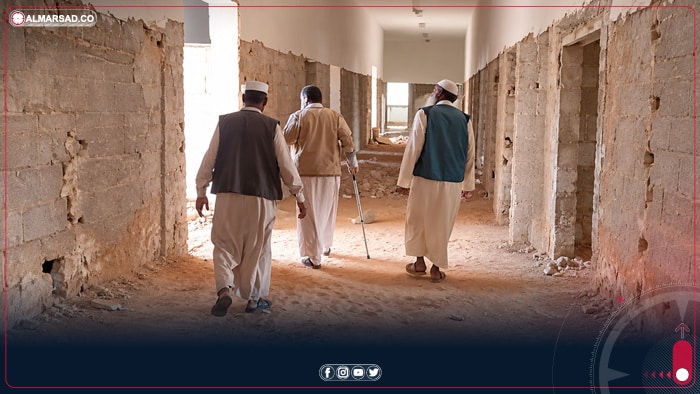
Hohoz criticised the performance of the government and the Ministry of Education in providing school supplies, saying the 102 schools in Greater Zawiya had received no desks, office furniture or working laboratories for seven years, while their infrastructure had deteriorated.
Finance ministry and authorities blamed for disruption to classes
He held the executive and legislative authorities, above all the Ministry of Finance, responsible for any disruption to the school year caused by the failure to pay entitlements, describing the claim of insufficient funding in a rich country as “unacceptable negligence and procrastination” in the view of the teachers’ movement in Greater Zawiya and the western region.