A fiscal gap is not spendable surplus
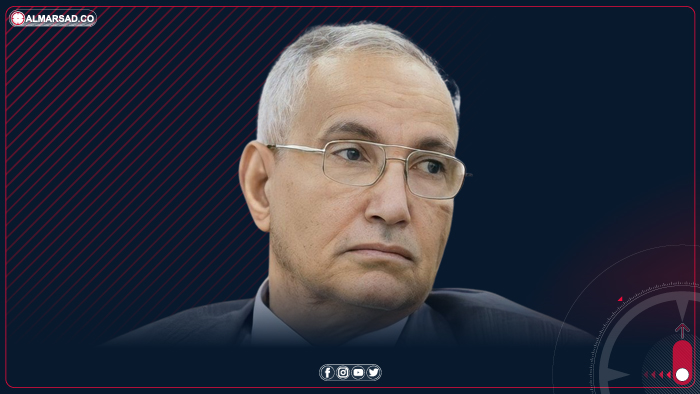
Libya – Economic adviser Khaled Al-Kadiki said a review of the Central Bank of Libya statement published on 10 September 2026, covering 1 January to 31 August 2026, showed a relative improvement in public-finance indicators, but that describing the gap between revenues and spending as a final surplus or as savings available to store away was inaccurate.
In remarks to Sputnik, Al-Kadiki said the figures reflected positive signs for overall liquidity but did not necessarily mean Libya’s public finances were in a comfortable or sustainable position. The gap of about 30.37 billion dinars, he said, was simply the difference between revenues and spending recorded in that period and could not be treated as a fiscal reserve or used without regard to future commitments.
Reliance on oil revenues
He noted that about 96.1 billion dinars — nearly 97% of total revenues — came from oil and royalties, making the strength of public finances in 2026 dependent mainly on the continued flow of oil income.
The most important message in the Central Bank statement, in his view, was not that Libya had achieved a 30-billion-dinar fiscal surplus, but that there was an opportunity to rebuild fiscal discipline before existing commitments and rising spending eroded that fiscal space.