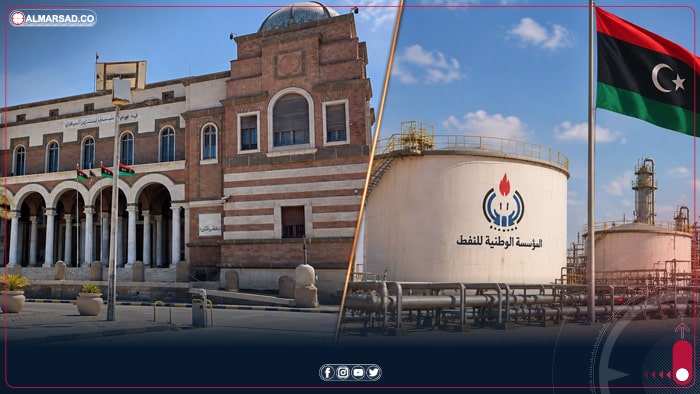
Questions over the surplus and fuel spending
Libya – Former Central Bank of Libya board member Muraja Ghaith said the so-called surplus of about 30 billion dinars needed careful reading, because it did not necessarily reflect a real surplus in government accounts.
In remarks to Sputnik, Ghaith said about 6.7 billion dinars of that amount was tied to existing commitments under Chapters One and Two, which could leave a surplus of around 23 billion dinars after those were deducted, in addition to other obligations including in-kind and supplementary allowances. He added that calculating prior commitments on an accrual basis, rather than the cash basis used in the government figures, could cut the announced surplus sharply and might leave it at only about 6 or 7 billion dinars.
Questions over how spending is described
Ghaith argued that reporting revenues about 10 billion dinars above spending, according to the published figures, raised a question about the Central Bank’s repeated talk of “uncontrolled spending”, asking where that spending appeared if the data showed no deficit. Describing 30 billion dinars as a surplus, he said, meant technically that it existed in government accounts, which needed clarification. Talk of a large surplus might suggest prudent spending policy, he added, but he did not see that reading as correct from the citizen’s point of view.
Where is the fuel cost recorded?
He stressed the need to clarify which body shows the cost of importing fuel and how those expenses are recorded, noting that responsibility for revenue and spending data lay with the government, while the Central Bank of Libya presented the figures it received from government entities.
He pointed out that the cost of importing a litre of petrol and diesel was close, according to some estimates, to one dollar, while it was sold to the public at a subsidised price of no more than 15 qirsh, leaving the state to bear a large gap. The state spent billions of dinars importing fuel through the Central Bank, the National Oil Corporation or other government bodies, he said, asking where those amounts appeared in the official financial statements.
He concluded that the scale of fuel spending required clear and transparent disclosure of its funding sources and actual cost, saying talk of tens of billions spent on fuel without detailed reports showing where those expenses were recorded needed explanation.