Another ammunition depot explodes among homes in Misrata
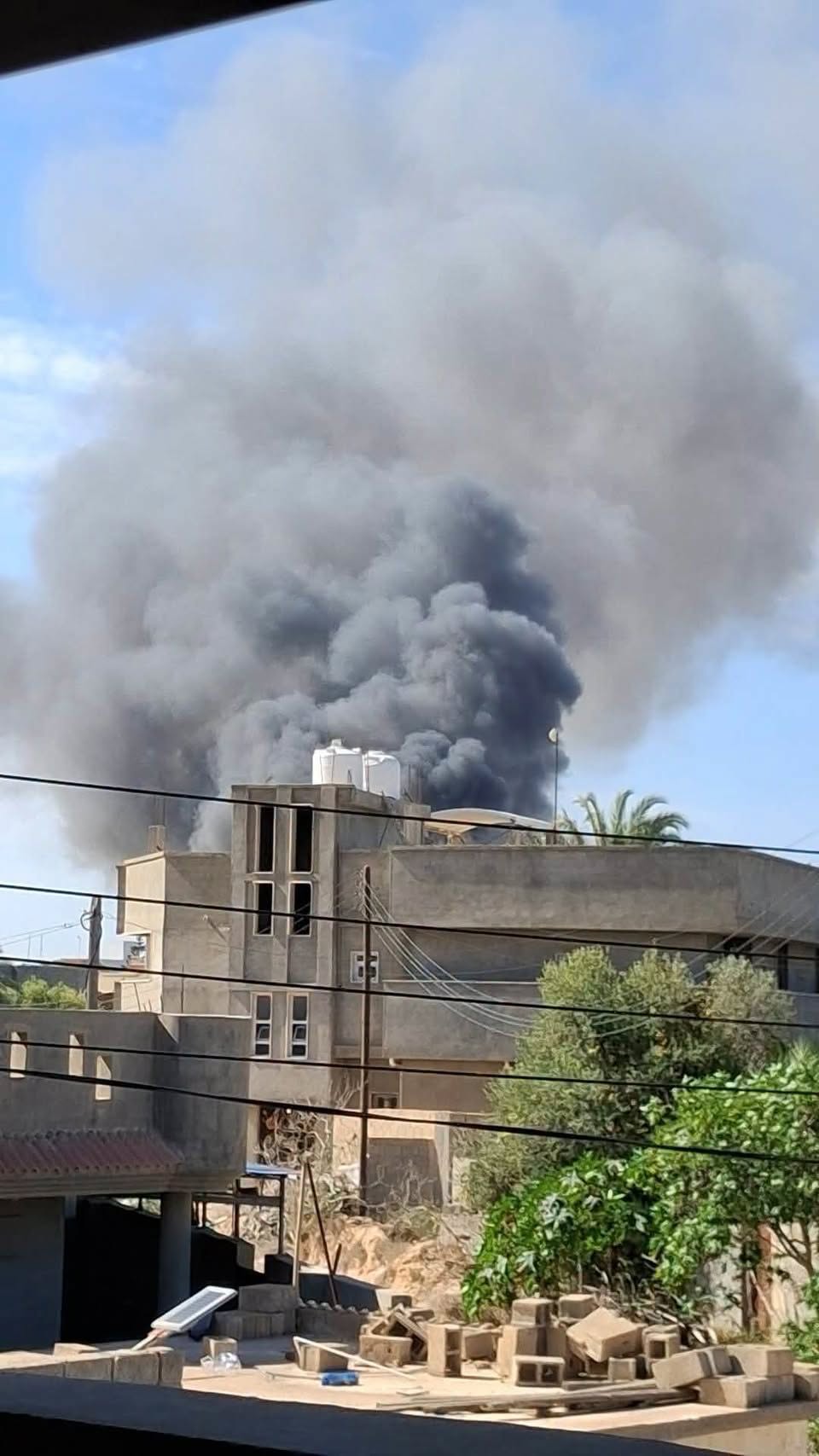
LIBYA – The explosion of an ammunition depot in the middle of residential neighbourhoods in Misrata’s Yadder area on Friday, 9 October, once again sent shells flying into residents’ homes, renewing questions over the responsibility of Abdulhamid Dbeibah’s government and its Defence Undersecretary, Abdulsalam Al-Zoubi, for the continued presence of weapons depots among houses, more than a year after a decision to clear them and move them away from populated areas.
Shells inside neighbouring homes
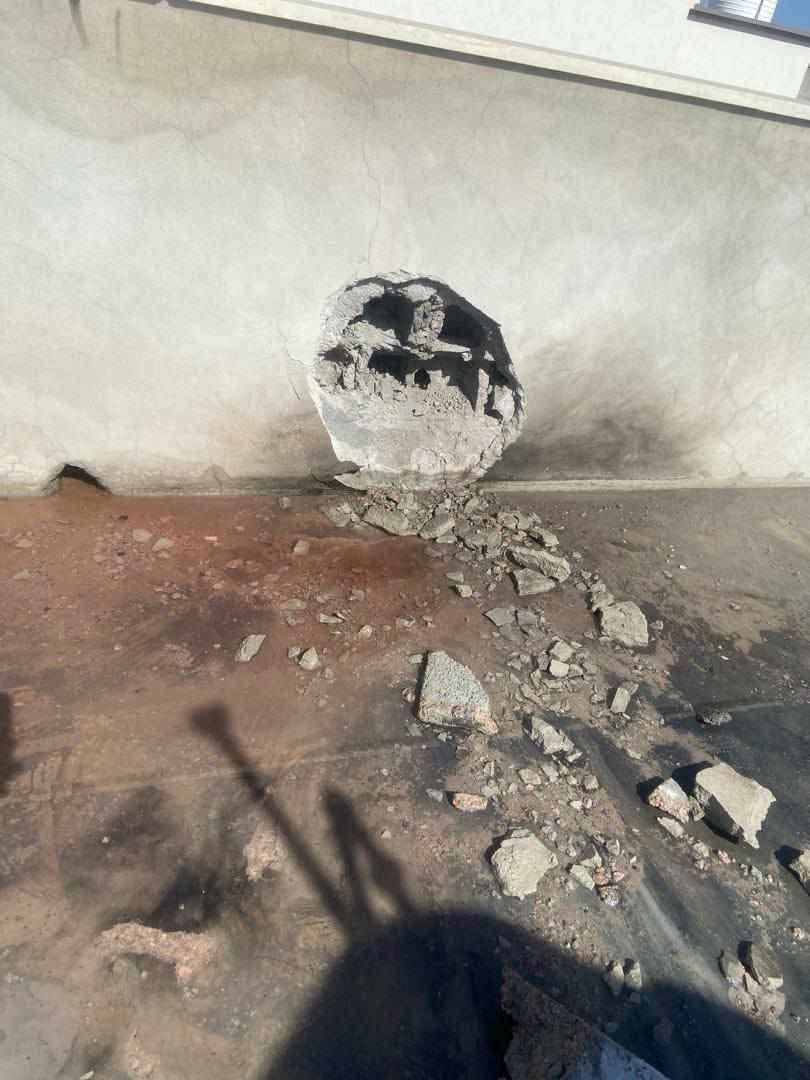
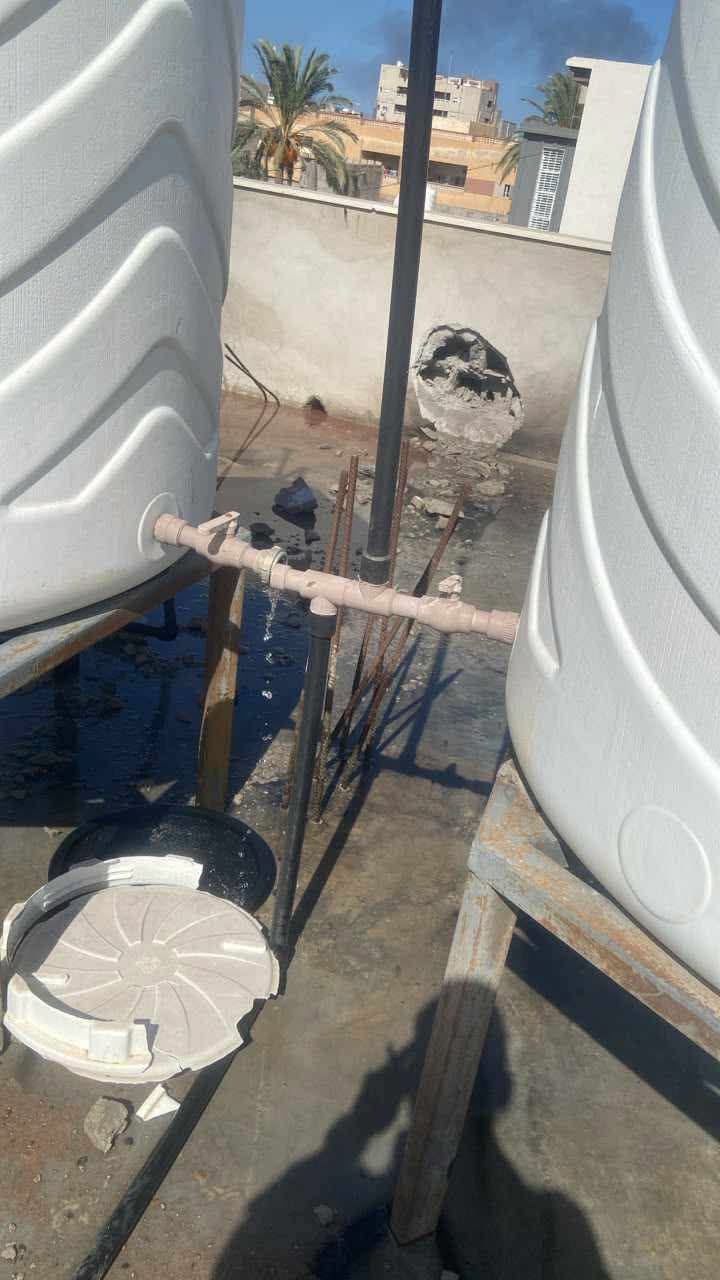
According to initial information on the incident, an ammunition depot belonging to an armed group led by Abduljalil Al-Mazeq exploded, while photos and videos circulating, according to the same information, showed shells, including artillery shells, falling inside residents’ homes directly next to the depot.
The incident again highlights the danger of homes sitting alongside ammunition storage sites, as the effects of an explosion reach civilian houses and residents are left exposed to projectiles landing inside their homes, with no control over what is stored near them or how it is secured.
Al-Mazeq speaks of “enemy aircraft”
According to information about a video filmed during the explosion, Al-Mazeq appeared shouting that “enemy aircraft” had struck his armed group’s headquarters, the ammunition depot and vehicles fitted with medium-calibre weapons, without specifying whom he meant by “the enemy”.
This remains an account attributed to him, and on its own it is not enough to prove that an air strike took place or to determine the cause of the explosion; these are matters that require a technical investigation and verifiable evidence.
However, differing accounts of the cause of the incident do not change the question about the location of the depot itself: why did ammunition and armed vehicles remain in the middle of residential neighbourhoods, and who bears responsibility for exposing neighbouring homes to the effects of their explosion, whatever its cause?
An evacuation order, but the danger remains
On 1 September 2025, Al-Zoubi issued Decision No. 390 forming a committee to identify sites for storing weapons and ammunition outside residential neighbourhoods, clear the storage sites inside them and move their contents to secure depots, and tasked the commander of the Central Military Region with following up on implementation.
More than a year later, the Yadder explosion confirms that the danger the decision sought to remove still exists in populated areas of Misrata. A depot exploding right next to homes raises a direct question about how far the evacuation has been carried out, which sites it covered and which depots were left out.
Protecting residents cannot be measured by the issuing of a decision or the forming of a committee alone, but by the number of depots actually cleared, the alternative storage sites, and the oversight that prevents ammunition from being stockpiled again inside neighbourhoods.
From Al-Sekirat and Al-Ghiran to Yadder
In a report published on 22 August, Al-Marsad documented seven ammunition depot explosions in Misrata since 2013, not counting depots targeted by air strikes during the 2019 war.
The incidents included Al-Ruwaisat, the Air College, Abu Rouia, Al-Sekirat and Al-Ghiran. The Al-Sekirat explosion on 31 August 2025 injured 16 people, while the explosion of the Al-I’sar Battalion’s depot in Al-Ghiran last August revived questions over the fate of the evacuation decision after shells flew towards surrounding areas.
The Yadder incident adds a new link to this chain and raises the same questions about storing ammunition near residents and responsibility for the continuation of this situation.
Dbeibah and Al-Zoubi’s responsibility to residents
The repeated incidents place Dbeibah’s government and its Defence Undersecretary under an obligation to provide a clear account of how much of the evacuation decision has been implemented: how many depots have been moved? Where are the remaining depots? And who has the authority to compel armed groups to move their weapons away from homes?
The Yadder explosion also raises specific questions about whether the site had been inventoried or inspected, whether instructions had been issued to clear it, and which body was responsible for monitoring it before the explosion.
With these sites still among houses, residents of the affected neighbourhoods appear to have been left to fend for themselves, waiting for ammunition depots to explode one after another, with shells landing inside their homes, while the evacuation decisions have yet to offer any protection in the places where the danger keeps recurring.
From Al-Sekirat and Al-Ghiran to Yadder, the names of the areas change, but the question remains the same: when will the decisions of Dbeibah’s government and its Defence Undersecretary turn into an actual evacuation that protects residents before the next explosion?