Al-Yaser: the two councils will be judged on ending the transition
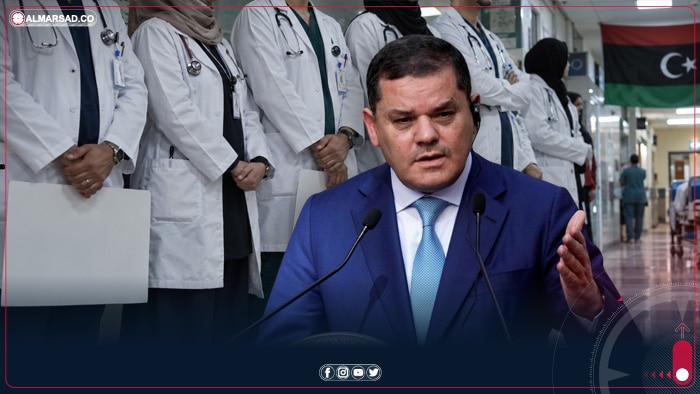
LIBYA – Former General National Congress member Abdulmonem Al-Yaser has set a broader benchmark for judging the new phase, arguing that the future of Libya’s House of Representatives and High Council of State will be decided by their ability to end the transitional period, not merely by a change of leadership.
Leadership change alone will not resolve the crisis
In a statement to Asharq Al-Awsat newspaper, Al-Yaser said the change in the House presidency may offer a window of hope for reviving the political process, but is not enough to address a deeper crisis rooted in the persistence of transitional institutions and their ties to balances of power and interests.
He set out two possibilities: “that the change leads to the restoration of institutional work and improved coordination with the State Council, or that it turns into a new dispute over legitimacy and representation that leads to further complication.”
Independent decisions and transparent procedures
He said the real test for the House presidency would be how independent its decisions are, how transparent its procedures are and what it actually achieves towards holding elections, adding that the House’s role should centre on completing the necessary legislation and exercising oversight, while the State Council continues its advisory and consensus-building role.
Cooperation bound by a published timetable
He proposed that cooperation between the two councils be governed by defined tasks and a published timetable, so that political understandings do not become a means of redistributing posts and prolonging the transitional period. Any settlement, he stressed, also requires broader participation by political and social forces, as well as security and institutional guarantees, so that workable elections can be held and their results respected.
Elections the source of real renewal
Al-Yaser concluded that the councils’ future value would be measured by their ability to prepare for a transfer of power to institutions that draw their legitimacy from Libyans, arguing that renewing an institution’s leadership is not the same as renewing its popular mandate.