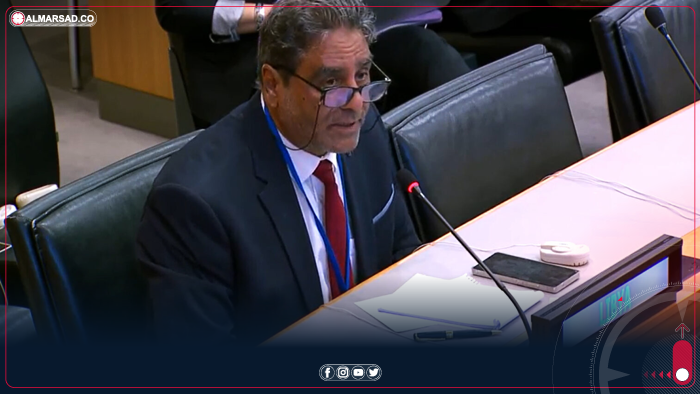
Ghaith: Exchange-rate and price stability come before rises that do not improve purchasing power
Libya – Former Central Bank of Libya board member Muraja Ghaith warned that repeated salary increases could push up prices, fuel inflation and threaten fiscal sustainability. He proposed freezing salaries for a period of up to five years, with no rises approved in that time except under clear rules, while working in parallel to stabilise prices.
Wage bill roughly tripled
Speaking to Sputnik, Ghaith said the wage bill had roughly tripled over the past five years, attributing that to what he described as haphazard increases, some of which he said had not been fair and had gone to bodies and interests for purposes unrelated to improving living standards. Linking rises to living standards would have required applying them to all employees, because they live in the same country and deal with the same markets, he added.
He argued that handling the file should take account of inflation and living costs, with the possibility of special increases for posts of an exceptional nature under specific rules.
Authority to set salaries
Ghaith criticised the practice of executive or administrative bodies proposing increases and then referring them to the Council of Ministers for approval. Under the 2012 Labour Relations Law, he said, the authority to set salaries properly belongs to the council, while executive bodies are bound by what it decides.
Improving eroded purchasing power is not achieved by continuing to raise wages, he said, but by working to stabilise the exchange rate at an acceptable level that helps bring prices down and ease living pressures.
A successive cycle of demands
When one sector obtains an increase, others demand the same, drawing the state into a “vicious circle” of rises without a real improvement in employees’ living standards, he argued. An employee may believe income has risen but gains nothing in practice if prices rise at the same rate or faster — what he called a “financial illusion,” with purchasing power falling even as the nominal figure climbs.
Successive increases had, in his assessment, contributed to higher costs of goods and services, underscoring the need for a more stable fiscal policy. He tied his proposal to freeze salaries to efforts to hold prices as steady as possible, arguing that price stability reduces the drive for continual new increases.