Radiation monitoring and drinking water in Libya–China talks
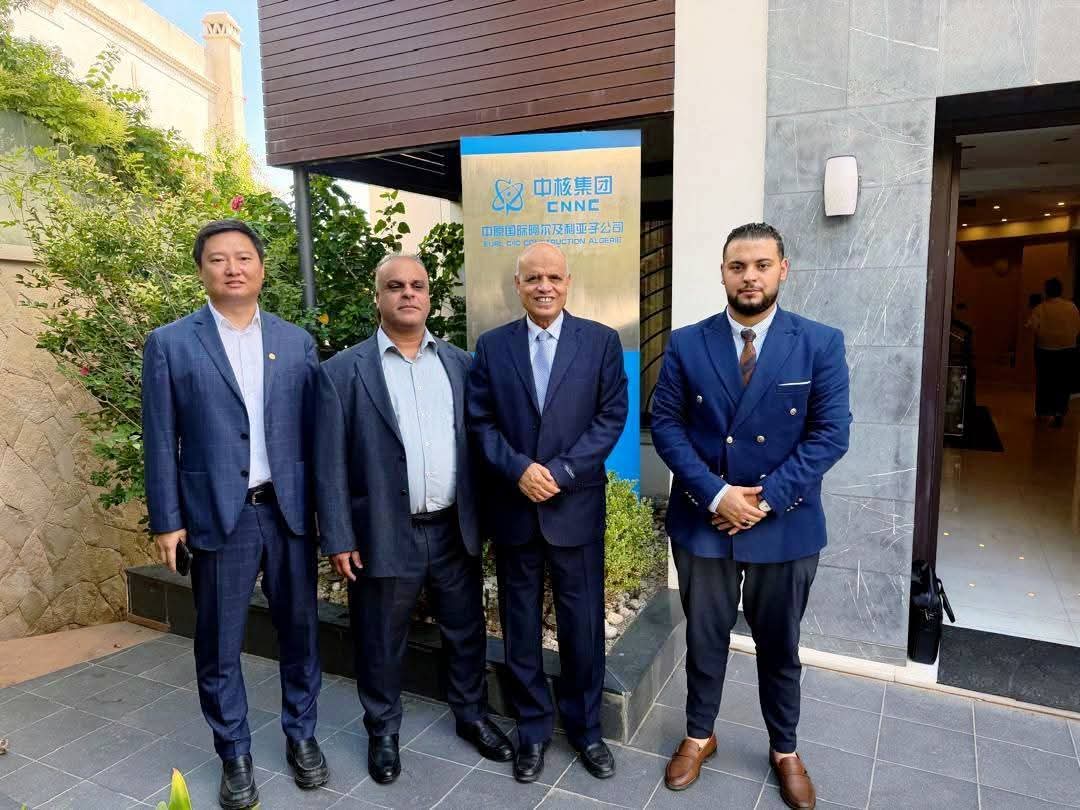
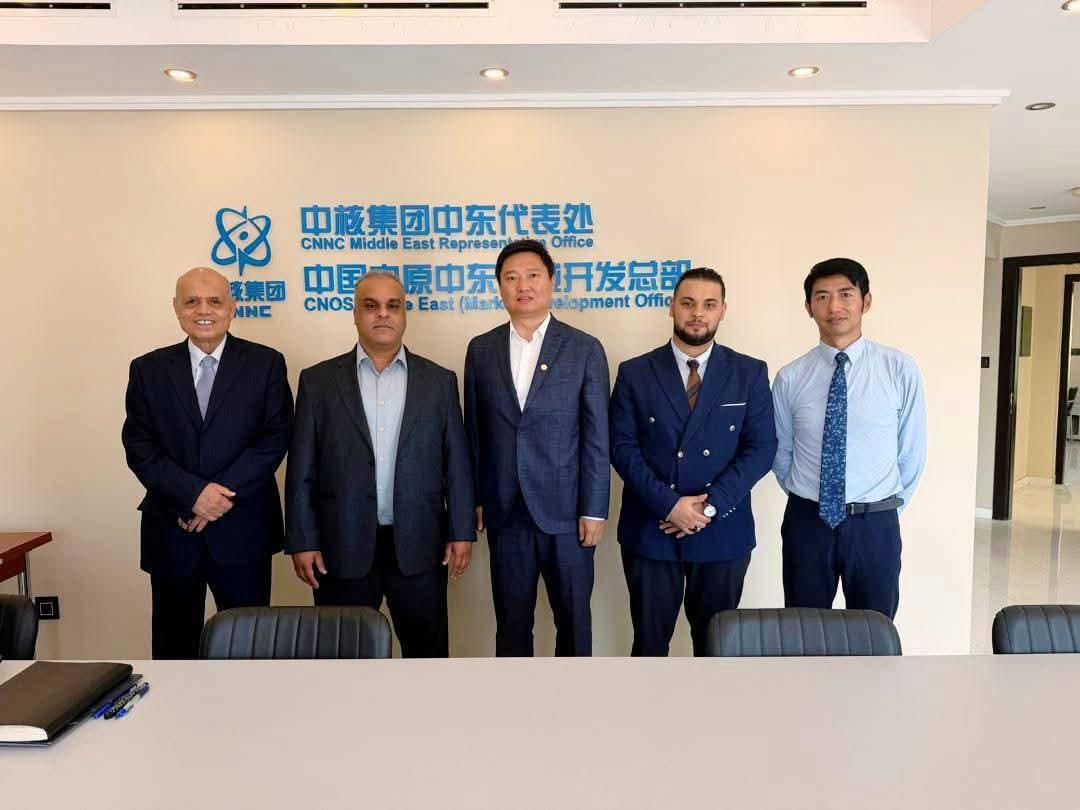
Libya – A delegation from the Temporary Committee for Comprehensive Radiation Survey, formed by the House of Representatives, discussed cooperation on radiation monitoring and environmental protection with officials of the Middle East and North Africa regional office of the China National Nuclear Corporation, at a meeting held at the corporation’s premises in Algiers.
The Libyan side included Abubakr Ali Ahmed, the committee chair, Daw Saad Misbah, and Hassan Abdel Hakim of the Foreign Affairs and International Cooperation Ministry. They were received at the Algiers premises by Wang Yunji, head of the regional office, with Zhang Xinglong present.
Mandate of the comprehensive radiation survey
At the start of the meeting the Chinese side presented the corporation’s capabilities, experience and projects outside China, while the committee chair outlined the mandate under House Speaker Decision No. 39 of 2026 to carry out a comprehensive radiation survey across Libya. He said the committee’s work covers monitoring and measuring radioactive material levels in water, soil, air, industrial products and local and imported building materials, and developing a national mechanism for radiation oversight and monitoring to strengthen protection of people and the environment under relevant national and international standards.
Goods certificates and an early-warning network
Talks focused on three main areas of cooperation. First was possible Chinese technical help with certificates that goods exported from China to Libya are free of elevated radioactivity, to approved requirements and specifications; the Chinese side said it was ready to coordinate with the competent Chinese authorities. The two sides also discussed creating a Libyan national network for environmental radiation monitoring and early warning, to allow continuous tracking of radiation levels and early detection of abnormal rises; the Chinese corporation said it was ready to provide expertise, technical support and equipment under a framework to be agreed.
Drinking-water checks in the south-west
The third track addressed elevated natural radioactivity in a number of drinking-water wells in parts of south-western Libya. The Chinese side said it was ready to study the problem technically, including possibly sending a specialised team to the sites in Libya to assess the situation and examine suitable technical solutions.
Proposed visit to China and a joint work plan
At the close of the meeting the Chinese side proposed that the committee visit China to review radiation monitoring and oversight technologies and systems, and discuss a joint work plan setting out areas of cooperation and how to implement them, with priority for the themes covered in the meeting. The visit forms part of the Temporary Committee for Comprehensive Radiation Survey’s efforts to widen cooperation with international institutions and specialised bodies and draw on advanced expertise and technology, supporting an integrated national system for radiation monitoring and oversight in Libya and stronger protection of people, the environment, water sources and the safety of materials and goods.