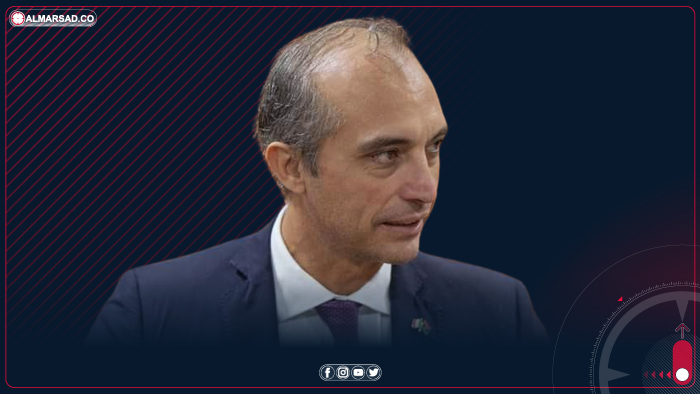
Nasr: teachers’ crisis extends across Libya
LIBYA – Salem Nasr, head of the teachers’ union in Tobruk, has said the sit-in crisis is no longer confined to Tobruk but reflects the conditions of teachers across Libya — north, south, east and west — amid falling purchasing power, rising living costs and difficulty meeting daily needs.
Criticism of parliament’s stance and Sebha session promises
In exclusive remarks to Sputnik, Nasr said the House of Representatives’ response to teachers’ demands had fallen short of what teachers, students and the public interest expected.
He pointed to earlier promises to discuss the salary crisis and the unified pay scale at parliament’s first session in Sebha, which he said had yet to translate into practical steps that meet teachers’ demands.
Fair demands without taking from other sectors
He stressed that the union does not oppose better salaries for other sectors and is not calling for any group’s pay to be cut, but insists on fair pay that reflects the nature of teachers’ work, on a par with employees in other state sectors.
He noted a move to put forward demands specific to the education sector, in coordination with the General Union of Teachers, away from disputes over other sectors’ pay scales.
He explained that the Ministry of Education does not have the power to approve pay rises or pay salaries directly, as these matters rest with the relevant financial and executive authorities, adding that the multiple pay scales and proposals in circulation had not produced a final solution.
Differentials, allowances and no guarantee of payment
Nasr said some finance departments at the education offices had begun tallying the entitlements and differentials owed to each teacher, which vary from case to case. However, the payment mechanism has not been set, although splitting the sums into instalments spread over several years has been floated, with no clear guarantees of implementation.
He pointed to other financial and administrative issues concerning lesson allowances, school administration and teachers’ special benefits. Procedures for some of these demands have been completed and referred by the Ministry of Education to the relevant bodies, chiefly the Ministry of Finance, for payment.
Impact of the sit-in and calls to end the crisis
He acknowledged that the prolonged crisis had harmed the education process, leaving it stagnant and faltering. He stressed that teachers are aware of their responsibility towards students, parents and society and do not want the situation to continue, but have not seen their rights handled seriously.
He insisted the sit-in would continue until teachers’ financial situation is reviewed and a fair pay scale is drawn up and presented to the General Union of Teachers for review and revision, and then to the relevant unions for their views, until an acceptable formula is reached.
He called on the House of Representatives and the executive authorities to adopt decisions and legislation that improve teachers’ professional and living conditions, warning that protests could escalate if the demands continue to be ignored amid rising prices and falling purchasing power.