LNG floated as an option to support power plants
LIBYA – An economic report examined Libyan efforts to study importing liquefied natural gas for power plants, aiming to tackle electricity outages and shortfalls in gas supplies.
Coastal pipeline and link to existing infrastructure
The report, published by the Italian agency Nova and followed by Al-Marsad for its main economic points, said one of the options under study was building a coastal gas pipeline, along with the work needed to connect it to Libya’s existing energy infrastructure.
Technical committee under Decision 430 of 2026
It added that a ministerial technical committee formed under Decision No. 430 of 2026, issued by Government of National Unity Prime Minister Abdulhamid Dbeibah, had studied the technical, economic and operational aspects of receiving LNG, regasifying it and transporting it to power plants through the national grid.
Ageing system and rising demand for electricity
The report said the LNG option was especially important because of the persistent difficulties facing the electricity system: a large share of generation plants and the grid still suffer from age, inadequate maintenance and damage accumulated over a decade of conflict, even though generating capacity has improved in recent years.
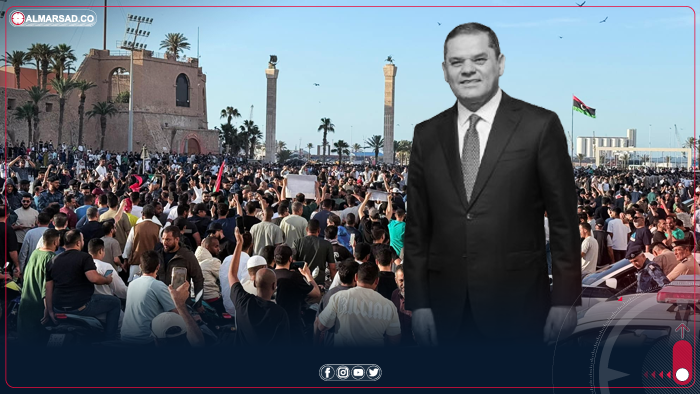
It added that demand was rising rapidly with air-conditioner use and low energy efficiency in buildings, pushing consumption to high levels and exposing the system’s fragility in summer, when many areas of Tripoli and western Libya saw prolonged outages during an intense heatwave.
Mellitah and the impact of gas shortfalls on the grid
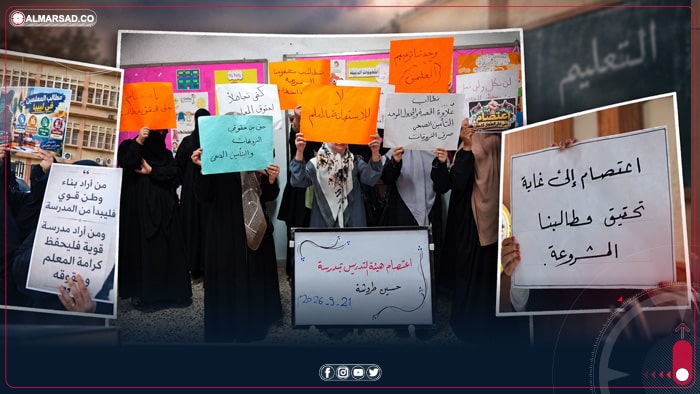
According to the report, that situation led to protests, while a temporary halt to operations at the Mellitah oil and gas complex cut gas supplies to power plants and showed how quickly any problem in the hydrocarbons sector can disrupt the electricity network.
Diesel and heating oil cost more and are less efficient
It noted that gas is a primary fuel for electricity generation, and when supplies fall short plants are forced to rely more heavily on diesel and heating oil, which are more expensive and less efficient. According to the report, the Dbeibah government is seeking to gradually reduce liquid-fuel use and secure a more stable gas source for power plants.
Floating storage and regasification unit
The report added that the LNG option would require infrastructure that does not currently exist on a commercial scale to import the fuel and turn it back into gas. Among the solutions under discussion is providing a floating storage and regasification unit on a vessel equipped to receive LNG, store it and regasify it before pumping it into the network.
Investment opportunities in gas infrastructure
It said this approach could avoid building a large onshore terminal, at least initially, and open new investment prospects in gas infrastructure — from terminals to pipelines and connections to power plants.
The paradox of reserves, exports and domestic shortages
The report said the effort highlighted one of the structural contradictions in the energy system: Libya holds large gas reserves and continues to export to Italy through the Greenstream pipeline, yet cannot meet domestic needs for power plants and its export commitments at the same time.
It concluded that Libya has substantial gas resources, while not all gas produced or associated with oil extraction can be extracted and transported to centres of consumption.