Support sessions for families awaiting news of the missing
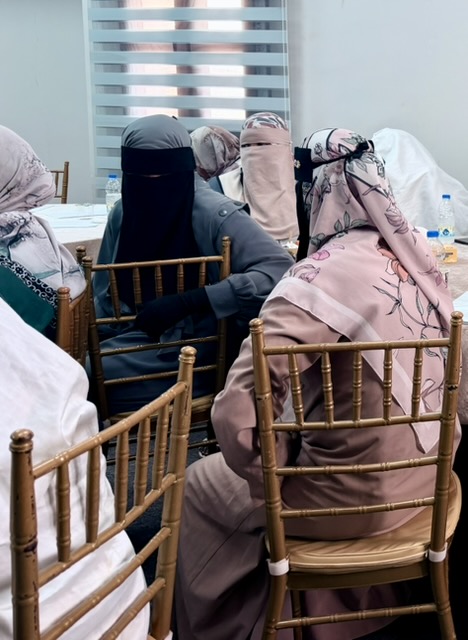
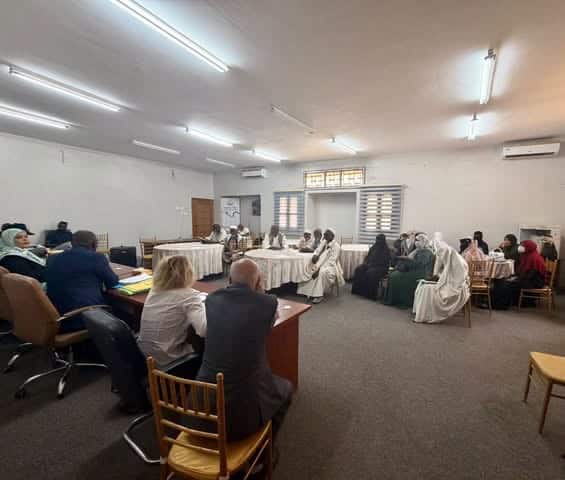
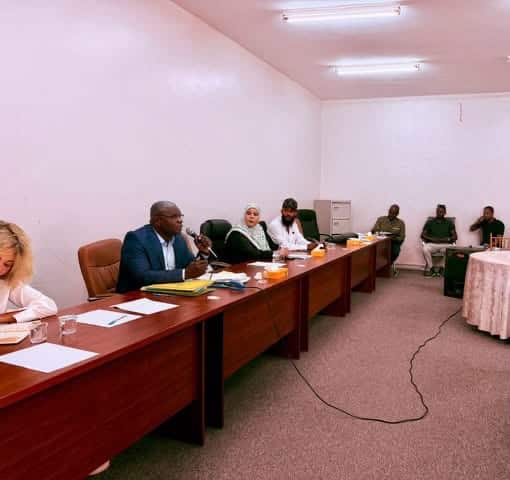
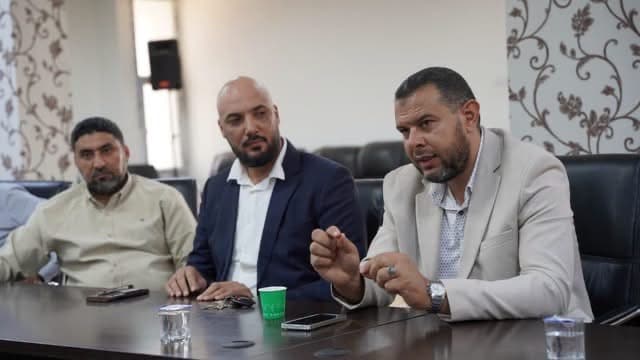
LIBYA – The United Nations Support Mission in Libya (UNSMIL) and the United Nations Development Programme (UNDP) provided legal guidance and information on psychosocial support to 50 members of the families of missing people, who have been waiting for years to learn what happened to their relatives, during awareness sessions held in Tarhuna and Tawergha in September.
Reporting disappearances, DNA and compensation
The mission said in a statement that lawyers explained to the families how to report disappearances and follow up proceedings with the judicial authorities, and how to contact the General Authority for the Search and Identification of Missing Persons to have DNA samples taken and help identify victims.
The sessions also covered procedures for obtaining civil documents, including death certificates, and ways of claiming compensation and recovering the remains of the missing.
Psychological support and the concept of ambiguous loss
Specialists discussed the psychological impact of waiting for years without knowing the fate of relatives, pointing to what is known as “ambiguous loss”, which disrupts the natural grieving process and deepens feelings of isolation.
The experts presented individual and group forms of psychosocial support, stressing that while it cannot bring back the missing person or end the search for them, it offers family members a safe space to express their feelings and someone to listen to them.
More than 60 people still missing in Tarhuna
The mission noted that families in Tarhuna are still searching for relatives who disappeared during the years of violence covered by a joint report issued in 2024 by UNSMIL and the Office of the UN High Commissioner for Human Rights, stressing that more than 60 people remain missing despite efforts to uncover mass graves since 2020.
It quoted a father in Tarhuna who asked what use psychological support could be in easing the tears he sheds every night for his son, who has not come home for seven years. By the end of the discussion, he said he was open to the idea of talking about his grief and having someone to listen to him.
Tawergha mothers searching since 2011
In Tawergha, where families are still searching for relatives who went missing during the 2011 conflict, one mother spoke of having lost hope in the justice system, saying that all she now wants is to recover part of her son’s remains so that she can bury him and find some peace.