Warning over the budget’s ability to absorb further rises
Libya – Misrata University economics professor Abdulhamid Al-Fadil said the country’s budget can no longer absorb any increases in general, given what he described as the wide spending of the Government of National Unity and the Libyan government over the past four years.
65% of public spending on salaries
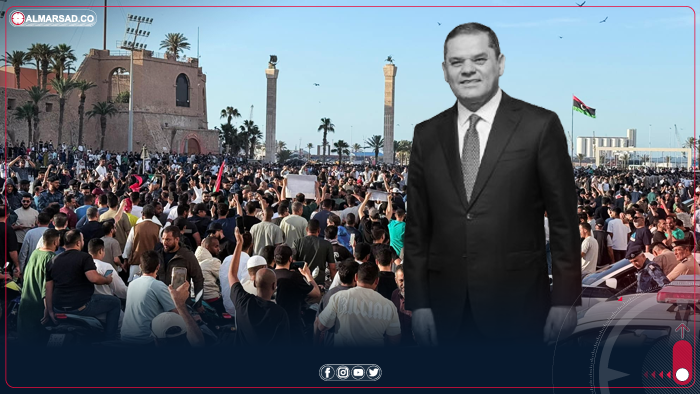
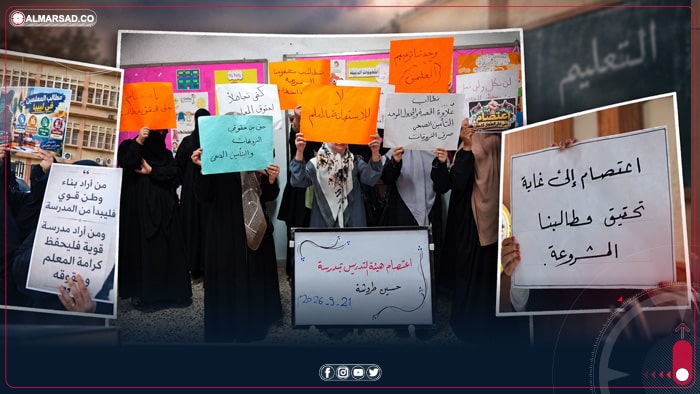
While acknowledging that the wide disparity in salaries is what sparked the protests, Al-Fadil, speaking to Asharq Al-Awsat, warned that any increase would further inflate the salaries chapter, which he said consumes about 65% of public spending.
Raise low wages and cut high ones
He argued that positive application of the pay scale should focus on redistributing wages to achieve relative fairness, by raising low wages — specifically those below the poverty line — and cutting high salaries. He stressed that the scale is not a magic solution to rescue citizens from hardship, but a step that must come with other measures to address the economic situation.
Staffing reform, phantom allocations and smuggling
Al-Fadil said the civil service cadre must be reformed, phantom allocations fought to free up foreign currency, and fuel smuggling and oil exports outside legal channels combated — which he said had cut revenues despite higher global prices.
Scenario lifting the bill to 90 or 100 billion dinars
He warned that the state, expecting it may be unable to impose the scale on everyone, might only raise salaries in lower-paid sectors by between 60% and 70%, while keeping high salaries for the army, sovereign and legislative bodies, and the judiciary and diplomatic corps — potentially pushing the annual salary bill to 90 or 100 billion dinars.