Public prosecutor explains steps to tackle identity forgery
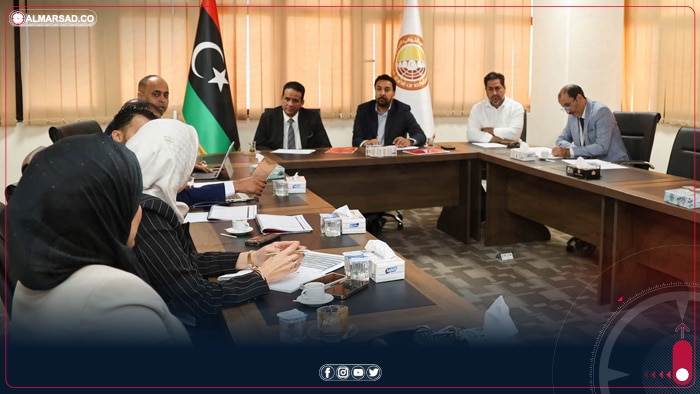
LIBYA – Public Prosecutor at the Attorney General’s Office Khalifa Ashour said the decisions announced by the Attorney General on deleting national identity records came as part of ongoing investigations coordinated with the Al-Intilaqa Committee and were based, he said, on findings showing incorrect data, forged records, or cases of fraud and collusion inside and outside the country.
Blocking numbers, freezing funds and cancelling passports
Ashour explained, in a phone interview with Libya Al-Ahrar TV, which broadcasts from Turkey — followed and summarised by Al-Marsad — that investigations were uncovering violations daily that required urgent precautionary measures, including blocking national numbers, freezing funds and cancelling passports. He stressed that the decisions were taken after what he described as decisive and precise scrutiny.
Sub-committees and a central committee to catalogue violations
He said sub-committees and a central committee were working to catalogue every file suspected of forgery, containing incorrect data, or involving unlawful acquisition of Libyan nationality.
Staff involvement and effects on grants and pensions
He added that investigations had shown the involvement of some Civil Registry staff with people seeking nationality by illegal means, according to what the competent authorities had revealed, with effects that had reached passport issuance, the disbursement of financial grants, head-of-household grants, retirement pensions and employment opportunities.
Call to protect data through digitisation
The public prosecutor said protecting identity data required digitisation and modern technologies to prevent breaches, noting that the Libyan Civil Registry had for years lacked an adequate level of protection and scrutiny, which had allowed, in his words, files to accumulate and incorrect information to be entered.
Suspicions around about 34,000 records
He cited earlier remarks by the Attorney General about suspicions surrounding about 34,000 civil records, explaining that preliminary investigations had uncovered sums of money obtained by people who do not hold Libyan nationality.
420 cases referred to the courts and more than 580 people charged
Ashour said investigations so far had resulted in more than 420 cases being referred to the courts, charges against more than 580 people, and more than 44 convictions, arguing that the court rulings confirmed forgery of the records concerned and required the removal of consequences arising from the unlawful acquisition of national identity.
Ongoing reviews and flight of some defendants
He stressed that scrutiny was still in its early stages and that the figures were changing daily, and that reviewing more than 34,000 records required substantial effort, especially with some defendants having fled justice.
Correcting records whose holders were cleared
He noted that investigations had in some cases confirmed the soundness of the position of people whose records had been under suspicion, so their status was corrected and their files cleared, stressing the need to distinguish between forged records and cases that had been cleared.