Monetary and financial reforms to support the dinar
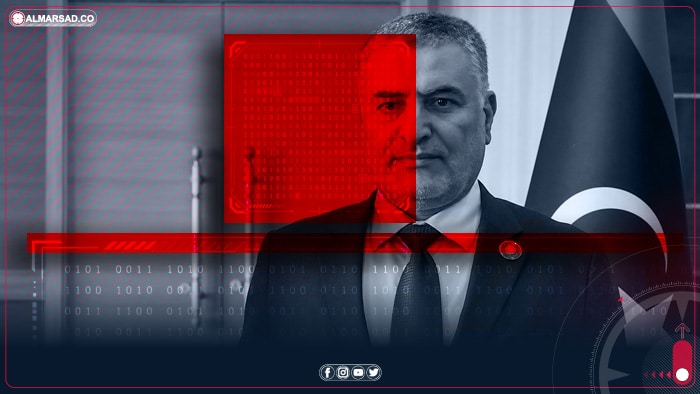
Libya – Financial expert Mahmoud Al-Shawish, former director of the Tax Authority, said supporting the dinar’s strength and stability requires a clear national vision that is binding in implementation, based on reforming monetary, financial, economic and administrative policies, alongside a firm will to confront administrative and financial corruption.
Speaking to Erem News Business, Al-Shawish said this requires managing foreign exchange wisely and efficiently, immediately stopping the wasting of billions in foreign currency on what he said were fruitless areas such as so-called special-purpose allocations, adhering to the provisions of Law No. 1 of 2005 on banks and currency, and not allowing any expenditure outside the general budget to be financed.
Oversight and curbing spending inflation
Al-Shawish called for adherence to the “Your Salary Instantly” programme so that it is implemented by all institutions funded from the general budget, subjecting all bodies to administrative oversight and Audit Bureau review without exceptions, and curbing the inflation of consumer spending and the administrative apparatus.
Diversifying the economy and increasing exports
He said long-term dinar stability needs a more diversified economic base that reduces reliance on imports and oil revenues, stressing the need to curb imports, increase exports and shift Libya’s economy from a rentier model to a more diversified one.
Among the policies capable of supporting that shift, he pointed to establishing solar energy projects that cover domestic needs and allow surplus to be exported to European and neighbouring countries, supporting industries that rely on local raw materials, and giving attention to agriculture — especially date and grain production, livestock rearing and fishing — as well as developing transit trade between Africa and Europe.
Political and security division
Al-Shawish considered that implementing these reforms remains tied to Libya’s ability to overcome political and security division, noting that, in his view, this will not be achieved amid successive transitional phases lasting more than 15 years, the presence of armed militias, the proliferation of weapons, and the absence of a state of law and institutions.