Al-Warshfani explains return of the customs dollar
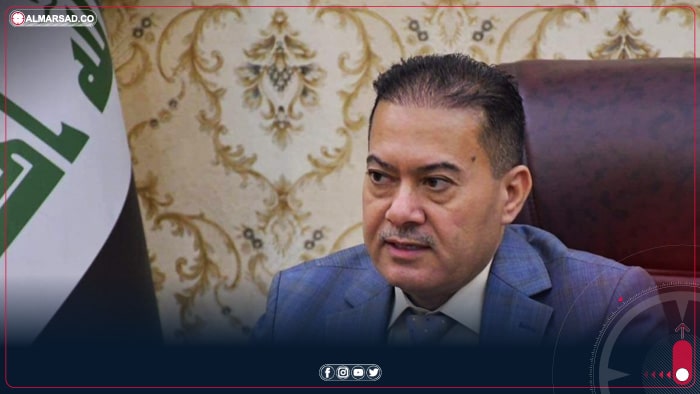
LIBYA – The director of the finance minister’s office in the Dbeibah government, Al-Mahdi Al-Warshfani, said the customs dollar is an important fiscal and monetary tool in a Libyan economy that depends on imports and external openness by more than 90%, explaining that it is the rate used to calculate customs duties on imported goods.
Decision 160 of 2026 and institutional-division complications
Speaking in an intervention on the Libya Al-Ahrar TV bulletin, which broadcasts from Turkey — followed and summarised by Al-Marsad — Al-Warshfani said use of the customs dollar had been suspended under Finance Minister Decision No. 160 of 2026, but that institutional division had created a procedural problem in implementing the cancellation decision, which made it necessary to preserve fairness in customs burdens, revoke the previous decision and return to using this mechanism.
Rate of 2.12 and monitoring market changes
He said the set rate is 2.12 — the same rate used under a previous decision in 2021 — and that it would be variable and subject to follow-up according to prevailing market rates.
He said the customs dollar helps regulate imports and trade balance by affecting the cost of imports and demand for them, and helps protect local production and rationalise consumption.
Narrowing the exchange-rate gap and two types of inflation
Al-Warshfani expected that resuming use of the customs dollar would achieve a relative degree of stability in goods prices, alongside measures by the monetary authorities at the Central Bank of Libya to narrow the gap between the official dollar rate and its rate on the parallel market.
He said Libya’s exposure to the outside world means it faces two types of inflation: imported inflation driven by global developments and measures, and domestic inflation linked to the widening of the exchange-rate gap, and that the measure may help address part of these pressures.